El Niño and Record Heat May Cause 451,000 Additional Deaths by 2027
September 23, 2026


The Climate Impact Lab warns that this year’s strong El Niño and record global heat could cause up to 451,000 additional heat-related deaths worldwide from mid-2026 to early 2027, with the heaviest impact in poorer regions, underscoring urgent regional preparedness.
Policymakers in Southeast Asia signal readiness to raise rates to curb price risks tied to El Niño, highlighting policy transmission to bond markets.
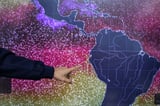
Widespread drought is expected across large swaths of the Northern Hemisphere, including the Amazon, Central America, the southern Caribbean, Hawaii, parts of Southeast Asia, and Southern Africa, with broad implications for crops and water resources.
Markets currently underprice food inflation risk; a rapid shift in consensus could alter bond-market behavior and pricing.
Agricultural markets and raw materials are expected to see general price increases rather than detailed commodity-by-commodity moves.
Korean context calls for public–private cooperation to stabilize energy, food, and critical infrastructure, with monitoring of supply chains and climate risk at raw-material sites to preserve competitiveness.
ADB economists outline possible policy responses: stronger support for farmers and energy producers, plus targeted price-stability measures to mitigate macroeconomic impacts, stressing the shock is foreseeable and requires proactive action.
Impact hinges on how regions translate climate signals into farm management and marketing decisions, advocating a cautious, data-driven approach.
Experts urge action now, viewing projections as a call to implement plans and secure funding, not as alarmism, with emphasis on timely measures.
Adaptation and resilience measures urged include urban drainage, water storage, cooler designs, drought- and flood-resistant crops, adaptable irrigation, and cross-border data sharing to strengthen food chains and disaster preparedness.
Higher costs for agricultural inputs and consumer food prices are expected due to disrupted yields and the broader climate stress.
Livestock sectors face shifts in forage, water, and feed costs from changing moisture and drought, particularly impacting the Plains.
Summary based on 67 sources
Get a daily email with more Macroeconomics stories
Sources
MarketScreener • Sep 15, 2026
Inflation, commodities and supply chains: the global threat of El Niño 2026-2027
Crypto Briefing • Sep 17, 2026
Investors fear food prices may trigger next inflation spike for bond markets
POSCO Newsroom • Sep 21, 2026
Super El Niño Threatens Energy, Food and Security All at Once [Global Issue Report Season 2]
China Daily • Sep 21, 2026
A 'naughty child' warming the world