Brailsford's Legacy: Triumphs and Controversies in British Cycling and Team Sky Leadership
October 14, 2026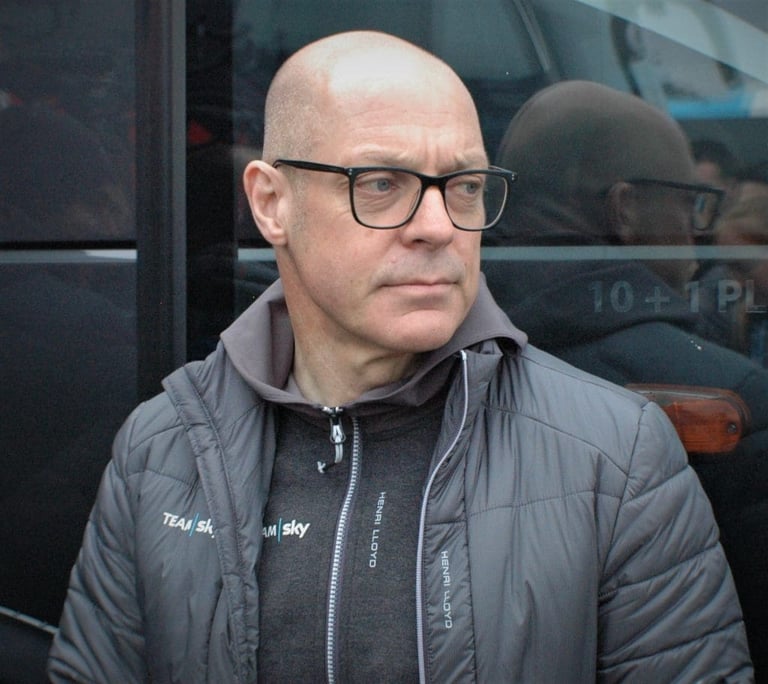

Brailsford faced responsibility for governance and culture, not just results, as investigations highlighted concerns about oversight, athlete welfare, and internal culture within British Cycling and Team Sky.
Olympic era breakthroughs began with Athens 2004 and peaked with Beijing 2008 and London 2012, showing success across track cycling and road racing.
The legacy is mixed: modern cycling now emphasizes nutrition, aerodynamics, equipment, data, and logistics, but debates persist about authority, independence, and ethical standards in high-performance sport.
INEOS acquired Team Sky in 2019, and Brailsford expanded his role to director of sport across INEOS, with involvement in Manchester United; by 2026 he was again leading cycling operations as Team Principal and Director of Sport for INEOS, amid shifts in team strategy and leadership structure.
The concept of marginal gains helped explain the program's approach but also raised questions about the opacity of practices, medical governance, and the handling of riders' welfare.
Dave Brailsford reframed British cycling by integrating funding, coaching, sports science, and management into a unified system, emphasizing accountability and marginal gains.
Parliamentary and regulatory scrutiny emerged around Team Sky’s medical practices, including the 2016 therapeutic-use exemptions and the 2018 committee report, with later legal findings involving team doctor Richard Freeman.
Brailsford led Team Sky (later INEOS) from 2010, steering it to multiple Tour de France wins (Bradley Wiggins in 2012; Chris Froome in 2013, 2015, 2016, 2017; Geraint Thomas in 2018) and broader Grand Tour success.
Summary based on 1 source
Get a daily email with more UK News stories
Source
ProCyclingUK • Oct 14, 2026
Dave Brailsford: the victories, methods and controversies that reshaped British cycling