From Racetrack to Hospital: F1 Pit Stops Revolutionize Emergency and Neonatal Care Worldwide
October 15, 2026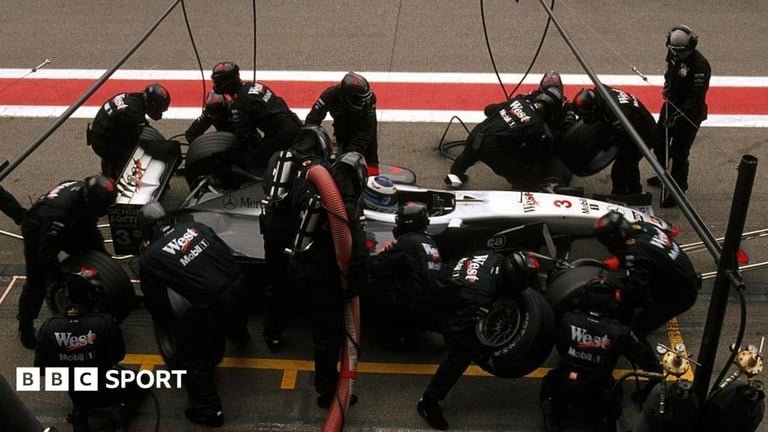

A 2001 McLaren F1 pit stop demonstrated how rapid, coordinated teamwork and precise communication can influence high-stakes operations beyond racing, inspiring changes in healthcare at Great Ormond Street Hospital (GOSH).
That same seven-second pit stop at the Spanish Grand Prix caught the attention of Dr. Martin Elliott and his team in a GOSH break room, sparking a shift in hospital handover practices.
The collaboration between Formula 1 and healthcare grew into a broader life-saving approach to patient care at GOSH, driven by the now-famous pit-stop example.
Industry figures, including David Richards, emphasized that even small reductions in response time can dramatically affect outcomes in emergencies, validating ongoing efforts to shorten times.
Continuing the F1-to-emergency thread, a 2023 collaboration at Silverstone with Air Ambulance Cornwall cut take-off times from five minutes to three and a half minutes through organized starts, ready equipment, and clear team communication.
The concept extended to neonatal resuscitation with the University Hospital of Wales, standardizing roles, optimizing equipment placement, and using video analysis and debriefings to speed and improve responses.
After twenty-five years, F1-inspired methods remain influential in neonatal care and emergency response, illustrating the transfer of high-performance teamwork and systems thinking from sport to medicine.
Engineering collaborations spawned innovations like the Babypod, a carbon-fibre baby transport carrier designed to withstand high-impact conditions for safer ambulance-to-hospital transfers.
Dr. Martin Elliott and colleagues observed the pit-crew efficiency, leading GOSH to adopt F1-style checklists, defined roles, standardized handovers, and shared data from operating theatres to care units to reduce errors and handover times.
A 2007 study by GOSH and the University of Oxford showed that F1-inspired handover processes reduced technical errors, minimized information omissions, and shortened handover durations in critical care.
Summary based on 3 sources
Get a daily email with more UK News stories
Sources
BBC Sport • Oct 15, 2026
Formula 1: The pit stop that helped save lives
Nilepost News • Oct 15, 2026
The F1 pit stop that helped save lives
BBC Sport • Oct 15, 2026
Formula 1: The pit stop that helped save lives