UK Government Unveils Ambitious Deregulatory Overhaul to Accelerate Economic Growth
October 27, 2026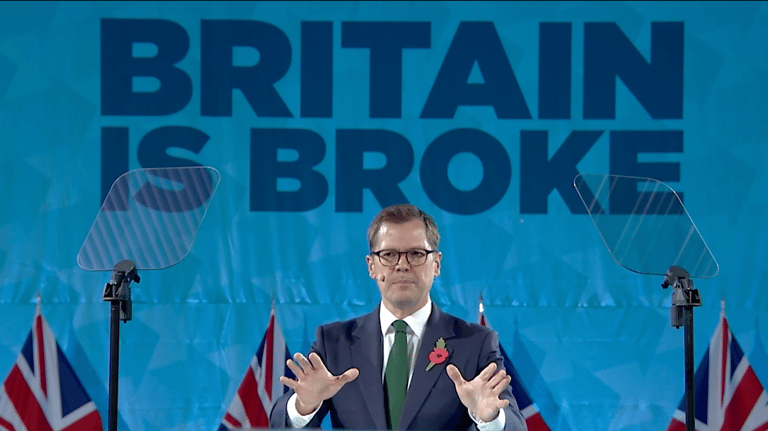

The government signals a sweeping deregulatory and industrial overhaul, including scrapping the Emissions Trading Scheme, halting the Carbon Border Adjustment Mechanism, rolling back Net Zero rules, and reforming planning and environmental rules such as exiting Aarhus Convention and reforming Habitat Regulations.
Energy policy shifts include implementing the Fingleton nuclear review in full and automatically approving French and South Korean nuclear designs.
Labour’s Shadow Chancellor Robert Jenrick released a 64-point plan aimed at accelerating Britain's economy ahead of the Budget.
The proposals are organized into themed pillars, from unlocking the North Sea and reindustrialising Britain to housing, infrastructure, AI, and reducing the cost of hiring, with steps to unleash city investment and accelerate development permissions.
Energy moves feature approving Rosebank, restarting oil and gas licensing, legalising onshore exploration, abolishing the Energy Profits Levy, and restoring maximum economic extraction as the North Sea regulator’s objective.
Regulatory simplification includes replacing GDPR with a New Zealand-style Privacy Act, re-legalising Imperial units, reviewing remaining EU law, and automatically repealing non-retained EU law after five years.
Wage and labour reforms propose cutting Employer National Insurance, introducing a migrant worker levy, repealing the Employment Rights Act, clarifying that not all training is mandatory, and allowing experienced tradesmen on government contracts without CSCS qualifications.
Housing and infrastructure emphasis covers brownfield development, repealing Biodiversity Net Gain, speeding up water reservoirs, making Development Consent Orders a true one-stop shop, and accelerating East-West Rail.
AI and tech policy focus on reducing regulatory barriers to AI adoption and permitting on-site gas generation for data centers and industry.
General deregulation measures include voluntary quarterly Making Tax Digital, easing SME NED duties, extending event permissions, permanent pavement dining licenses, longer shop hours, removing board diversity rules, scrapping certain sustainability mandates, abolishing the packaging tax, dropping streaming platform requirements for BBC/Channel 4, ending the Public Sector Equality Duty, and implementing five-year sunsets on QUANGOs and new regulations.
Transport plans contemplate scrapping airport surface access strategies, removing electric vehicle mandates, applying GB hours to all UK HGV trips, banning Low-Traffic Neighborhoods, backing the M4 Relief Road, and moving a car’s first MOT to four years.
Financial reform ideas include reviewing bank capital requirements to boost lending, ruling out Net Zero in regulators’ remits, and repealing climate-related financial disclosure rules.
Summary based on 1 source
Get a daily email with more UK News stories
Source

Reform UK • Oct 27, 2026
IN FULL: The first 64 measures Reform UK would take to boost Britain's broken economy