Florida Legislature Session Extended as $115.6B Budget Stalls Amid Controversial Bills and Partisan Pushback
May 4, 2025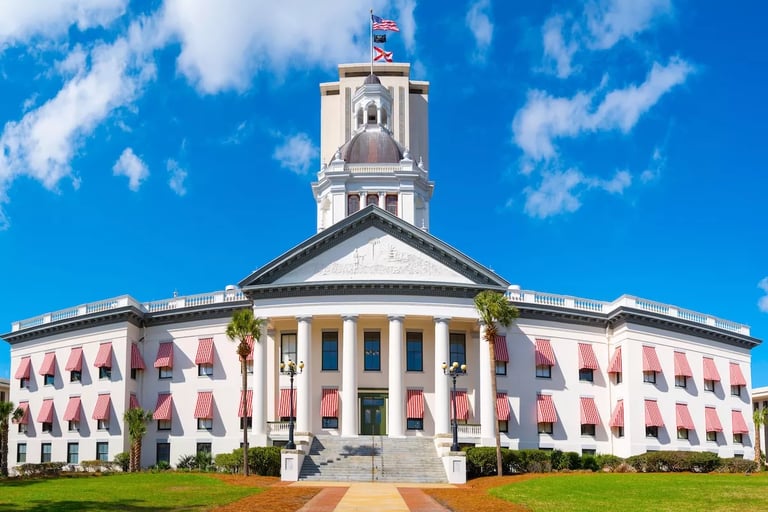

As the legislative session neared its end on May 2, 2025, Florida lawmakers were expected to reconvene soon to finalize the state budget amid significant pushback from fellow Republicans.
During this session, the Legislature passed several significant bills, including a controversial measure that makes it harder for citizen-led constitutional amendments to reach the ballot, raising concerns about access to the legislative process.
In a tumultuous second-to-last legislative session, Florida Governor Ron DeSantis proposed a $115.6 billion budget focused on immigration enforcement and tax relief, but lawmakers failed to reach an agreement, resulting in an extension of the session into June.
Gun rights advocates expressed disappointment as efforts to repeal age restrictions on long gun purchases and implement open carry laws stalled.
Critics argue that these changes to the constitutional amendment process may hinder citizen initiatives and undermine direct democracy.
A new law banning fluoride in public water systems was enacted, reversing decades of dental health policy, despite opposition from dental groups and concerns about its impact on low-income residents.
Lucy’s Law, aimed at improving boating safety, faces pushback from the House due to changes made in the Senate, particularly regarding penalties for reckless boating.
A new bill was introduced to ban wireless communication devices for elementary and middle school students throughout the school day, extending previous restrictions.
Broward County is preparing for the expansion of the Sawgrass Expressway to connect with Interstate 95, which is expected to improve commuting for local drivers.
Despite growing public safety concerns, legislation banning handheld cellphone use while driving failed to advance.
In the session's final hours, several bills were passed, including those expanding student cellphone restrictions and a hurricane preparation package, while numerous others, including transparency measures and property tax reduction proposals, failed.
Amid ongoing legislative discussions, Moore, a PR agency, achieved top rankings in Florida and the Southeast, reflecting significant growth and a strong commitment to client service.
Summary based on 33 sources