Congress Gains Access to Unredacted Epstein Files Amid Transparency Act Push
February 10, 2026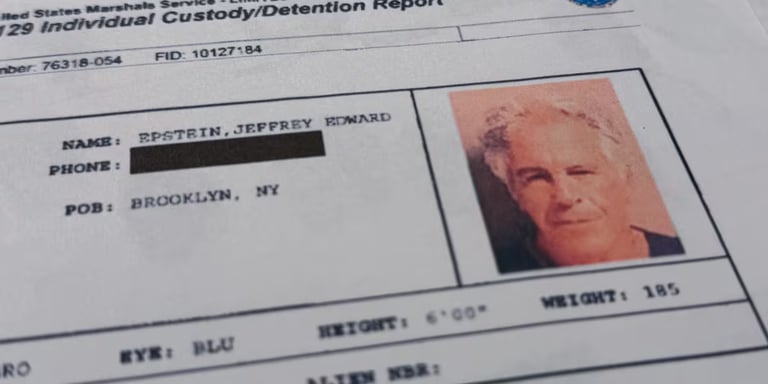

Representative Raskin noted redactions of references to Les Wexner and even Trump in certain contexts, suggesting selective redaction rather than purely targeted redaction.
DOJ argues redacted entries focus on potential victims; critics say redactions obscure enablers and ties to Epstein’s network, including emails about assessing or recruiting young people.
The DOJ states that female victims and participants were redacted while male names and law enforcement personnel were not, with redactions tied to potential victims and participants.
The Department of Justice will allow members of Congress to review unredacted Epstein files starting Monday, as lawmakers press for full transparency under the Epstein Files Transparency Act.
The push for full disclosure comes ahead of Attorney General Pam Bondi’s congressional testimony and amid sustained political pressure for transparency under the act.
The Epstein Files Transparency Act requires the DOJ to release Epstein-related documents with victim names redacted and bars withholding information for embarrassment, reputational harm, or political sensitivity.
Witnesses described disturbing material in the files, including references to a girl as young as nine and other potentially incriminating information about several men connected to Epstein.
Representatives Massie and Khanna highlighted redactions of six individuals whose identities remain concealed, raising questions about whether one was a high-ranking foreign official and another a prominent figure.
A draft Epstein indictment from the 2000s shows three unnamed co-conspirators due to redactions, with charts indicating Epstein, Maxwell, and Groff and other associates whose roles are obscured.
The DOJ says roughly 200,000 pages were redacted or withheld for privileges, and a formal congressional report explaining these redactions is due within the week.
Lawmakers who viewed the reading room reported frustration over broad redactions and missing publicly posted materials that were supposed to be available.
Key redacted items include FBI 302s and prosecution memos, with about 200,000 pages redacted in total under various privileges.
Summary based on 7 sources
Get a daily email with more US News stories
Sources

CNN • Feb 9, 2026
13 of the most questionable redactions from the Epstein files
FRANCE 24 • Feb 9, 2026
US lawmakers reviewing unredacted Epstein files
Digital Journal • Feb 9, 2026
US Justice Dept opens unredacted Epstein files to lawmakers
WTOC • Feb 9, 2026
Justice Department will allow lawmakers to see unredacted Epstein files