Kennedy's Health Policy Reforms Stir Controversy: Transparency Gains vs. Public Trust Decline
February 12, 2026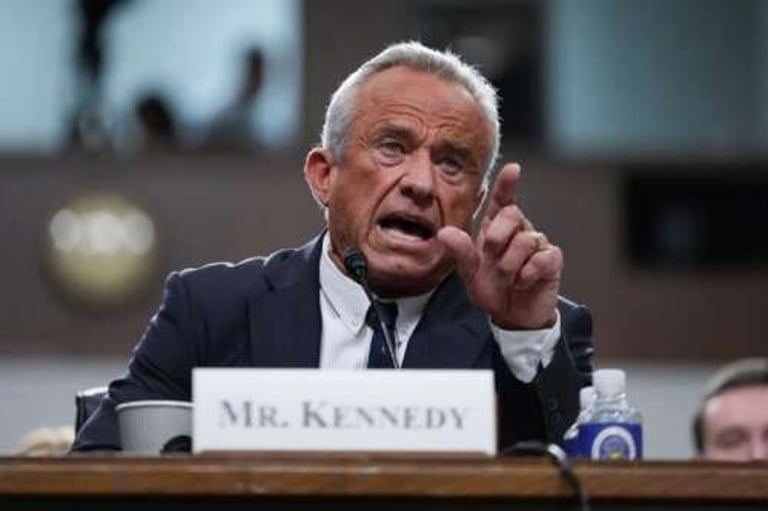

The Kennedy administration’s health policy shifts, including scaled-back immunization guidance and a push for greater transparency and personal health choice, have coincided with a measured drop in public trust in agencies like the CDC from both everyday Americans and political groups.
While Kennedy argues that reforms empower individuals, doctors and public health experts warn that promoting unverified information could lead to more illness and preventable deaths.
Controversies cited include questioning COVID-19 vaccine recommendations for healthy children and pregnant women, and directing a review of the CDC’s autism-vaccine stance without presenting new evidence.
Kennedy has advocated expanding access to medical records for AI systems and claimed much of the medical field is owned by corporate interests, arguing AI could save lives and improve outcomes.
Policy responses from critics, including Protect Our Care, argue the changes may be financially and operationally impractical for systems like school meals and highlight concerns about industry influence on federal health decisions.
He has called for tighter limits on ultra-processed foods and dietary guidelines that favor red meat and dairy, contending that policy has been captured by beef and dairy interests and should be rebuilt with input from the USDA.
Kennedy alleges current federal guidelines are captured by industry lobbyists and promotes a red-meat-and-dairy-forward dietary framework developed with the Department of Agriculture.
Public reaction is divided: some applaud more transparency, but many health professionals and state leaders question the policy changes’ basis and potential impact on disease prevention.
The coverage places Kennedy’s confirmation in a broader frame of reforming federal health policy under the influence of the Trump administration, as reported by AP journalists.
Kennedy touts efforts to reduce drug prices, expand domestic drug production, and boost insurer price transparency, while advocating for broader sharing of medical records with AI providers.
These positions echo a push attributed to the prior administration to use tools like most-favored-nation pricing and AI-enabled data sharing to drive costs down and personalize care.
HHS defends the changes as reducing preventable diseases through family-led, evidence-based decisions, while critics warn the approach could undermine protections and public health norms.
Summary based on 12 sources
Get a daily email with more US News stories
Sources

The Washington Post • Feb 12, 2026
RFK Jr. promised to restore trust in US health agencies. One year later, it’s eroding
The Independent • Feb 12, 2026
RFK Jr. promised to restore trust in US health agencies. One year later, it’s eroding
AP News • Feb 12, 2026
Trust in US health agencies appears to be eroding | AP News
AOL • Feb 9, 2026
RFK Jr. charts future health agenda, highlights past success