Nevada Sex Workers Fight for Unionization Amid Rights, Classification, and Retaliation Concerns
February 13, 2026

As of publication, no final outcome had been reached, and some workers have sought to protect their identities during the process.
The union filed for an emergency bargaining order and injunction with the National Labor Relations Board over alleged unfair labor practices, including retaliation against organizers and firings.
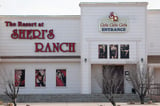
Nevada sex workers at Sheri’s Ranch in Pahrump petitioned to unionize with the NLRB under United Brothel Workers, aiming to become the first U.S. unionized sex workers group.
Context from other industries shows some precedent for sex worker organizing, such as unions among Los Angeles dancers and the Lusty Lady in San Francisco, illustrating a broader movement despite stigma.
Prostitution is legal in some rural Nevada counties but not in Clark County, with historical precedents for sex worker unionization being rare and stigmatized.
The unionization outcome remains uncertain, with possibilities including formal recognition and contract negotiations or ongoing legal debates about worker classification and rights.
Legal status and classification remain central, citing a 2019 federal lawsuit challenging contractor status and a 2023 settlement, while organizers argue changes could reframe industry norms.
The organizing effort is led by the Communications Workers of America and centers on safer, more dignified, and better-controlled workplace conditions and the right to organize.
Workers report pressure to sign the new contract or be dismissed, with several staff fired after unionization efforts began, raising concerns about job security and retaliation.
The central issue is whether workers at the brothel should be classified as independent contractors or employees, with implications for protections, bargaining power, and the ability to negotiate terms; workers point to their schedules, client pricing, and earnings sharing as indicators of employee status.
A December contract granting the brothel expansive rights over workers’ likeness and content, including a worldwide, royalty-free license to distribute material, has raised concerns about autonomy and future opportunities.
Workers are seeking protections such as intellectual property rights for online content, clearer dress code terms, fairer wage contracts, health insurance, and the ability to negotiate terms and workplace conditions.
Summary based on 8 sources
Get a daily email with more World News stories
Sources

AP News • Feb 13, 2026
Nevada sex workers are pushing for a historic fight to unionize | AP News
U.S. News & World Report • Feb 13, 2026
Sex Workers at Nevada Brothel Fight for the First-Ever Unionization
WKMG News 6 & ClickOrlando • Feb 13, 2026
Sex workers at Nevada brothel fight for the first-ever unionization