California Measles Outbreak Highlights Crisis in Vaccine Hesitancy and Public Health Funding Cuts
March 2, 2026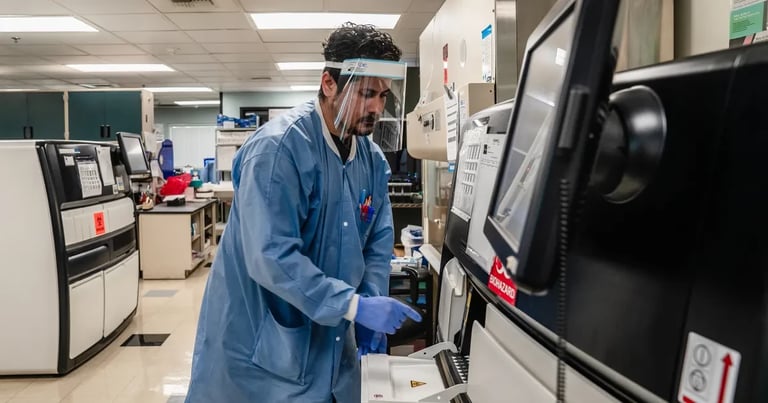


Measles outbreaks in California are driven by pockets of unvaccinated individuals, with 21 cases across seven counties this year and active transmission in Shasta and Riverside counties.
Measles remains the most contagious vaccine-preventable disease, with outbreaks highlighting tensions between public health infrastructure, funding, and vaccination choices.
Containment is costly and labor-intensive, requiring extensive contact tracing, site visits, and lab work; the initial three Los Angeles County cases alone cost about $231,000.
Public confidence challenges are amplified by national debates, policy shifts, federal vaccine guideline changes, and lawsuits, complicating outbreak response.
Officials stress vaccination benefits and safety to counter misinformation, while state and regional leaders coordinate to reinforce guidelines and share information across western states amid federal tensions.
Many cases are linked to travel, including international travel or trips to outbreak areas within the U.S., though some individuals have no recent travel history.
Messaging around vaccine evidence faces political skepticism, yet California officials push back with state guidelines and interstate collaboration to sustain vaccination efforts.
National skepticism, amplified by public figures, complicates public health messaging and uptake, prompting California to reinforce guidelines and cross-state cooperation.
Public health warnings reiterate that transmission can reach a large share of unvaccinated contacts, with airborne particles remaining in the air post-exposure.
Across the country, funding cuts strain public health, with California seeing significant reductions that impact surveillance and containment during rising measles activity.
Measles is highly contagious, capable of airborne spread for up to two hours with about a 90% transmission rate among unvaccinated contacts, underscoring the urgency of rapid response and vaccination.
Public health departments face reduced resources due to federal funding cuts, leading to clinic closures, program reductions, and staffing challenges that hinder outbreak response.
Summary based on 7 sources
Get a daily email with more World News stories
Sources

LAist • Mar 2, 2026
Measles is back
ABC7 San Francisco • Mar 2, 2026
California measles outbreaks linked to pockets of unvaccinated residents
CalMatters • Mar 2, 2026
Pockets of unvaccinated communities are driving measles outbreaks in California