Pandemic's Lingering Effects: Young Readers Struggle, Math Recovery Partial, Experts Urge Systemic Changes
March 10, 2026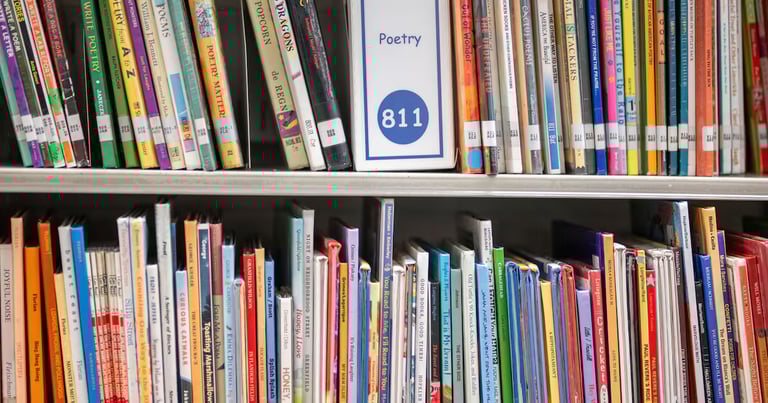

Pandemic-era changes—less face-to-face instruction, mental health strains, and fewer enriching experiences (museums, peer interactions)—have particularly impacted language and literacy for low-income families.
States and cities are boosting literacy interventions, with greater emphasis on phonics and regular literacy skill assessments.
Efforts include expanding pre-kindergarten programs to help young learners catch up and succeed in later grades.
The 2024-25 NWEA assessment shows first- and second-graders still lag in reading compared with pre-pandemic levels, while math shows only partial recovery.
Experts attribute the gaps to a mix of in-school disruption and broader societal factors, including reduced parent reading activity and shifts outside of school that affect early literacy.
The findings are set against ongoing policy responses and investments in early childhood education designed to mitigate long-term losses.
Experts describe the lag as a signal of deeper, system-wide challenges in education, not just a short-term issue for one cohort.
There is a push for system-level changes and sustained funding for foundational literacy and numeracy, despite budget pressures.
Researchers point to a broad, systemic problem spanning schools and society, with no single cause identified.
Districts such as Minnetonka Public Schools report reading gains through targeted interventions, phonics emphasis, and regular assessments, with extra support for students behind.
Minnetonka's example illustrates that recovery hinges on addressing both classroom instruction and home learning environments.
Educators stress a combination of in-school strategies (phonics, ongoing assessments, targeted supports) and enriching out-of-school experiences to support early literacy.
Summary based on 12 sources
Get a daily email with more World News stories
Sources

AP News • Mar 10, 2026
School reading test scores lag in first, second graders after pandemic | AP News
U.S. News & World Report • Mar 10, 2026
Young Kids Missed the Pandemic's School Disruptions. Their Reading Scores Are Still Behind
The Boston Globe • Mar 10, 2026
Young kids missed the pandemic’s school disruptions. Their reading scores are still behind.
Education Week • Mar 10, 2026
The ‘Pandemic Babies’ Are Now in 1st and 2nd Grade. How Are They Doing?