Immigrant Women Farmworkers Lead Movement Against Sexual Abuse in Agriculture Sector
March 22, 2026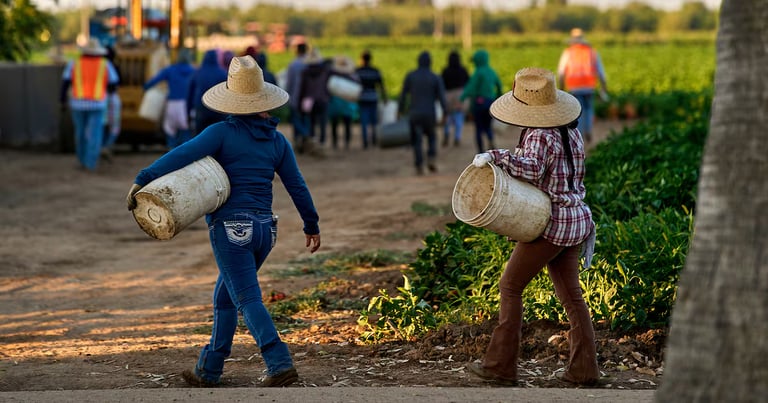

Protective programs and legal protections vary by region, with some improvements but ongoing barriers fueled by immigration enforcement and access challenges, especially during the Trump era.
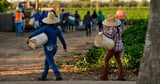
A grassroots movement led by immigrant women farmworkers is confronting widespread sexual abuse in the agricultural industry, combining personal storytelling with organized collective action to demand accountability.
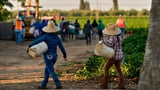
Visual documentation from early 2026 grounds the story in current events, underscoring active advocacy and responses to abuse allegations.
The piece situates these efforts within a broader historical context of farm labor organizing, noting scrutiny of leadership legacies from figures associated with the Chavez era.
Progressive programs like the Fair Food Program and related training, code of conduct, and improved reporting mechanisms act as models for preventing harassment and holding employers accountable.
Despite gains, fear, isolation, language barriers, and immigration status continue to drive exploitation and impede reporting among farmworkers.
Women-led organizations and legal funds, including TIME'S UP Legal Defense Fund, have amplified visibility, funding, and support for survivors and systemic reform.
Monica Ramírez, founder of Justice for Migrant Movement, emerges as a central advocate for survivors and a catalyst for community organizing to drive change.
The Bandana Project, championed by Dolores Huerta and Ramírez, raised awareness of sexual violence against women farmworkers and highlighted the underreporting that persists in fields.
Reporting is supported by the Associated Press and Elevate Prize Foundation, reflecting a collaborative context that elevates the movement and its leaders.
A landmark 1999 EEOC settlement against a major lettuce grower marked a turning point, with ongoing enforcement and survivor compensation reinforcing accountability in the sector.
Continued EEOC involvement and enforcement have driven ongoing protections for farmworkers and demonstrated a growing shift toward real consequences for abusers.
Summary based on 4 sources
Get a daily email with more US News stories
Sources
NBC Southern California • Mar 22, 2026
Women farmworkers who built their own fight against sexual assault cope with Chavez allegations