Bipartisan Bills Stalled: Aviation Workers' Pay Remains at Risk Amid Congressional Stalemate
March 28, 2026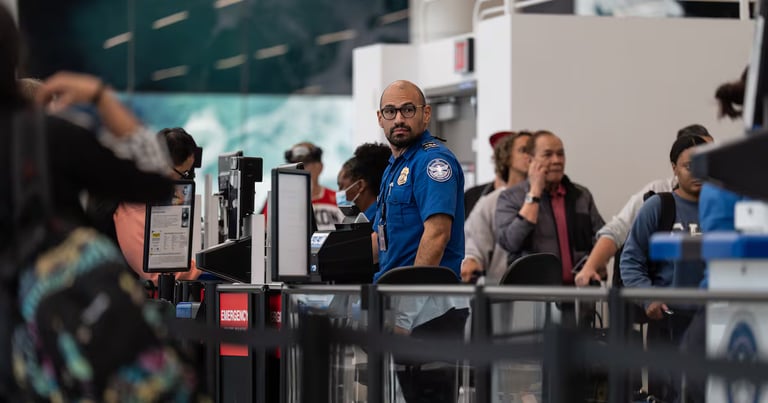

Conclusion: without sustained political will and public demand, aviation-pay protections may fail to pass despite viable bipartisan bills.
Current outlook suggests polarization and lack of momentum may block passage, even with multiple bipartisan options that could shield workers from shutdown pay gaps.
Without sustained political momentum, protections are unlikely to endure beyond the crisis period, leaving workers vulnerable again.
Recent shutdowns intensified travel disruptions and safety worries, prompting emergency pay actions and renewed calls for permanent pay protections.
Experts point to the political climate and polarization as major barriers to reform, even as pilots, controllers, and TSA workers face ongoing financial and employment uncertainties.
Lawmakers repeatedly introduce bipartisan bills—such as the Aviation Funding Stability Act, Aviation Funding Solvency Act, Keep Air Travel Safe Act, and Keep America Flying Act—to ensure pay for air traffic controllers and TSA personnel during government shutdowns, but progress remains stalled in Congress.
Public and industry voices warn that temporary fixes and brinkmanship undermine morale, recruitment, and retention of essential aviation workers.
Past attempts showed limited bipartisan support and a tough political climate, indicating that passage will require sustained public momentum and negotiation.
The broader context includes past shutdowns and the longstanding debate over compensating essential federal employees during gaps in funding.
Historically, reforms surface during crises and fade as time passes, creating recurring uncertainty for employees and industry operations.
Experts warn that political brinkmanship and polarization hinder meaningful reform, as public attention shifts away from shutdown impacts once a crisis ends.
Public and political dynamics: polarization and competing priorities hinder consensus, though public pressure and momentum could catalyze action.
Summary based on 9 sources
Get a daily email with more US News stories
Sources

Yahoo News • Mar 28, 2026
Bills to pay FAA and TSA workers during shutdowns get introduced but keep stalling in Congress
National Today • Mar 28, 2026
Repeated Bills to Pay Aviation Workers During Shutdowns Stall in Congress - NYC Today
National Today • Mar 28, 2026
Congress Stalls on Bills to Pay Aviation Workers During Shutdowns - NYC Today
The Washington Post • Mar 28, 2026
Bills to pay FAA and TSA workers during shutdowns get introduced but keep stalling in Congress