College Football's $50M NIL Arms Race: Sustainability Challenges Loom by 2027
May 3, 2026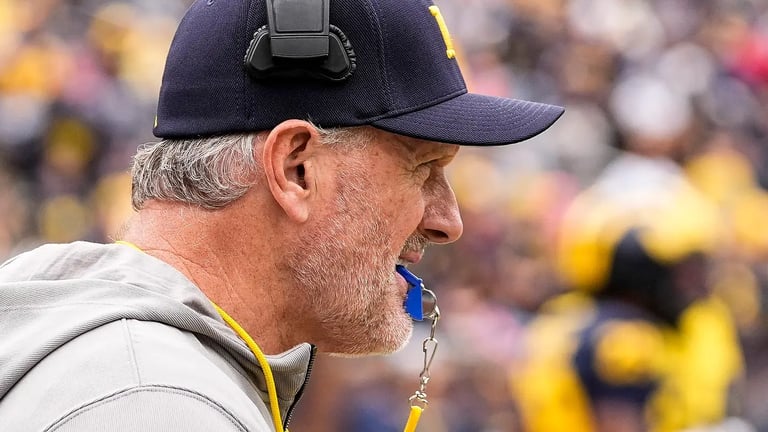

A brewing arms race in college football NIL spending could push rosters to as much as $50 million by 2027, signaling a sustainability challenge for most programs.
critics warn that without a new model or guardrails, many programs will struggle to sustain rising payrolls, even as some leaders push the envelope with top NIL resources.
Ohio State’s strategy of pairing a selective player mix with targeted investing has kept the program competitive, with talk of a potential resurgence for Michigan’s 2026 season.
The broader debate includes calls for regulatory guardrails and legislative or NCAA changes, with political attention on monetization of college athletics.
Michigan has become a major NIL spender via its Champions Circle, using high bids in transfers to attract and retain elite talent.
Success today hinges on strong NIL resources, top players, and a capable coaching staff.
The narrative positions NIL and revenue-sharing as central to program success, with Ohio State viewed as a leader and concerns about sustainability and guardrails.
There is anxiety about how NIL, transfer rules, and enforcement will shape future competitive dynamics in the sport.
Whittingham argues for parameters and guardrails, describing a de facto salary cap as a necessary direction for the sport.
Whittingham advocates a sustainable, structure-based NIL recruiting model while acknowledging money’s persistent influence on rosters and competitive balance.
Michigan’s recruiting pipeline shows early impact from five-star freshman Savion Hiter, signaling depth for the 2026 season.
Michigan’s 2027 class is already top-20 with six commits, reflecting a broader organizational overhaul aimed at competing with resource-rich programs.
Summary based on 4 sources
Get a daily email with more US News stories
Sources

The Spun • May 2, 2026
Kyle Whittingham Issues Bleak Warning About Future Of College Football
EssentiallySports • May 3, 2026
Kyle Whittingham Puts 137 FBS Programs on Alert With $50M Statement
Scarlet and Game • May 2, 2026
Michigan's Kyle Whittingham sounds afraid of Ohio State football's future spending
TotalProSports • May 3, 2026
National Analyst Predicts Only Richest Programs Survive as Kyle Whittingham’s $50M Warning Sparks Fear