Texas Cities Boom as Costly Housing and Hurricanes Drive Population Shifts in the US
May 14, 2026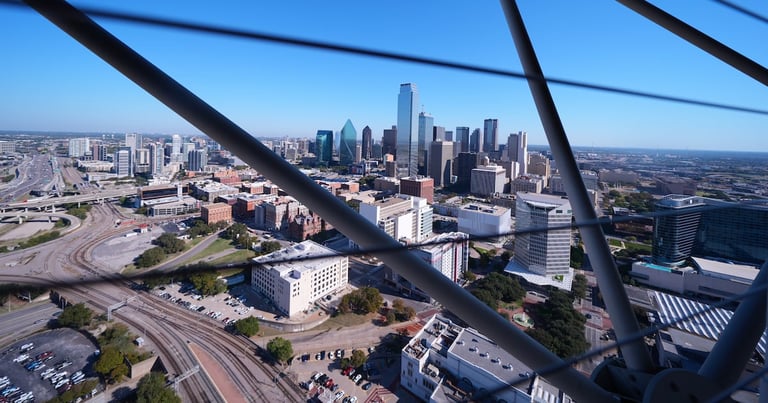

The population declines were concentrated in places like Twentynine Palms, California, and Key West, Florida, where tight housing markets and very high home insurance costs in Key West contributed to outflows, while disasters from Hurricanes Helene and Milton further affected nearby areas.
These declines illustrate how limited housing stock, high housing costs, and disaster exposure can drive residents to relocate, even as some regions experience growth.
Pure numeric gains highlighted Celina, which added about 12,700 residents, surpassing larger cities in absolute growth due to its small base population of roughly 64,000.
A key factor in hotspots was housing stock conversion to tourism accommodations, with Key West showing extreme prices—median home values around $1.3 million—compounding affordability pressures alongside disaster impacts.
In contrast, Texas cities in the Dallas–Fort Worth and Houston metro areas led national population growth from mid-2024 to mid-2025, with Celina, Princeton, Melissa, and Anna ranking among the top gainers for cities above 20,000 residents, and Fulshear close behind.
Overall growth rates in those Texas cities ranged from roughly 15% to nearly 25% year over year.
Across the broader picture, immigration trends, housing affordability, and the housing stock mix—including the prevalence of short-term rentals—help shape regional population dynamics.
Some declines were also tied to natural disasters that disrupted housing and residential patterns in affected municipalities.
Mortgage costs and insurance expenses emerged as major factors shaping relocation decisions and contributing to population shifts in affected areas.
Nine of the ten largest numeric population gainers were in the South, underscoring strong job markets and affordability, with Fort Worth, San Antonio, Celina, Houston, Dallas, and Austin—now over 1 million residents—leading the way.
Seattle stood out as the only non-Southern city in the top ten for numeric gains, aided by new housing development and improvements in core-city affordability.
Immigrant-driven growth played a notable role in some regions, particularly Seattle, where international migration accounted for a large share of gains.
Summary based on 10 sources
Get a daily email with more US News stories
Sources

AP News • May 14, 2026
5 small cities in Texas post fastest growth in US | AP News
Yahoo News • May 14, 2026
Small cities in big Texas metro areas lead as the fastest growing municipalities in the US
Spectrum News 1 South Texas / El Paso • May 14, 2026
Small cities in big Texas metro areas lead as the fastest growing municipalities in the U.S.