Controversial Save Program Sparks Legal Battles Over Voter Roll Purges and Potential Disenfranchisement
May 17, 2026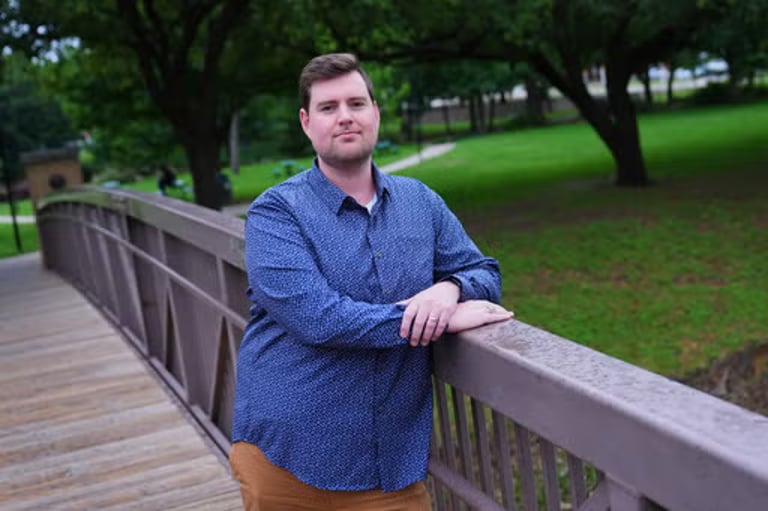

The Trump administration expanded the SAVE system to scan state voter rolls, screening roughly 60 million registrations over a year and an additional 7.4 million from North Carolina to identify potential noncitizens and deceased voters, raising concerns about disenfranchisement and errors in flagging eligible voters.
States may treat flagged registrations as suspended or pending; some laws require hearings or specific timelines for resolution, and Ohio and other states have enacted measures that prompt or conditionally affect registration status during investigations.
Voting rights groups and individuals have filed legal challenges, arguing that SAVE checks infringe on voting rights and rely on outdated data, risking improper disenfranchisement of eligible voters.
There are real-world impacts and concerns illustrated by state actions and individual cases, including in Ohio, North Carolina, Kansas, Texas, and cases like Domingo Garcia in Dallas.
States targeted in the program include Texas, Ohio, North Carolina, and Kansas, with ongoing legal challenges from Democratic officials and civil rights groups over mass DHS checks on voter rolls.
Related litigation and court challenges to Ohio and other states’ use of SAVE reflect a contested legal landscape around federalized voter verification efforts.
The article frames a debate between the administration’s aim to cleanse voter rolls and civil rights concerns about accuracy, due process, and potential voter suppression ahead of elections.
Administrations and some Republicans argue the program boosts election integrity, while Democrats and civil-rights groups warn it threatens voter rights and could disproportionately affect marginalized communities.
Fears persist that broader federally coordinated purges could disproportionately affect eligible voters and undermine trust in elections, prompting lawsuits and ongoing challenges.
In Ohio, new law requires close review and possible removal of registrations flagged as noncitizens, though officials say voting rights are protected if proofs are provided; critics warn of disenfranchisement risks during election cycles.
Examples of false positives and administrative hurdles show up in how flagged registrations are handled and deadlines to prove eligibility vary by state.
The program has produced thousands of flags across states, with some individuals temporarily losing or risking removal of their registration while proofs are sought.
Summary based on 17 sources
Get a daily email with more US News stories
Sources



Las Vegas Sun • May 17, 2026
Trump administration promotes program to check voter eligibility. Critics fear a midterm purge