SEC Eyes Self-Governance: Potential NCAA Exit Sparks College Sports Shake-Up
May 26, 2026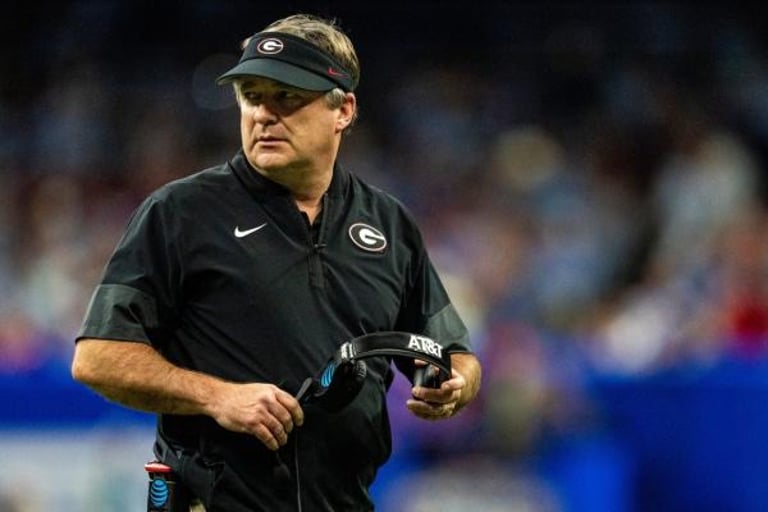

The piece argues the SEC could take direct enforcement and scheduling control, potentially expelling non-compliant schools, using professional sports league discipline as a model and highlighting potential ripple effects for college sports' ecosystem.
It frames rule enforcement, competitive balance, and semi-autonomous governance within the SEC as a path to stability across sports, signaling a shift toward conference-led regulation.
Speculation centers on what happens if the SEC leaves the NCAA, including the possibility that other power conferences might follow, and questions whether such a move would help or hurt college football overall.
Georgia coach Kirby Smart backs taking decisive action and aligns with Morehead’s stance, preferring action over more regulatory talk.
Smart’s remarks came amid SEC spring meetings discussions on regulatory frameworks, NIL, and the transfer portal.
The SCORE Act, which aimed to standardize NIL rules and grant NCAA antitrust protections, was pulled after opposition from the Congressional Black Caucus.
Critics at the Congressional Black Caucus opposed the SCORE Act amid concerns about civil rights implications and broader impact on equity.
Background notes underscore the credibility of the reporting team, with staff bios for Mike Griffith as a sports business contributor.
The idea of SEC self-governance emerges in the context of playoff formats and conference autonomy, though no formal move has been announced.
The sentiment follows the House v. NCAA settlement, with SEC figures arguing it did not create a level recruiting field.
Senators Cruz and Cantwell are negotiating bipartisan legislation as the best remaining path for NCAA-wide or conference-level changes, with timing affected by August recess and midterms.
Smart calls for equal footing across all sports, cautions against sacrificing non-revenue programs, and argues for balancing athlete compensation with broader program health.
Summary based on 18 sources
Get a daily email with more US News stories
Sources
New York Post • May 27, 2026
Kirby Smart 'not afraid' of SEC breaking off to play by its own rules: 'I’d be all for that'
The Athletic • May 26, 2026
Georgia’s Kirby Smart says he’d support SEC breakaway to ‘play … by our own rules’
Bleacher Report • May 26, 2026
Georgia's Kirby Smart Suggests SEC Break Away from NCAA, Have Separate CFB Playoff
USA TODAY • May 26, 2026
SEC considers nuclear option: If you want it fixed, do it yourself