Court Battle Over White House Ballroom Raises Executive Power, Historic Preservation Concerns
June 5, 2026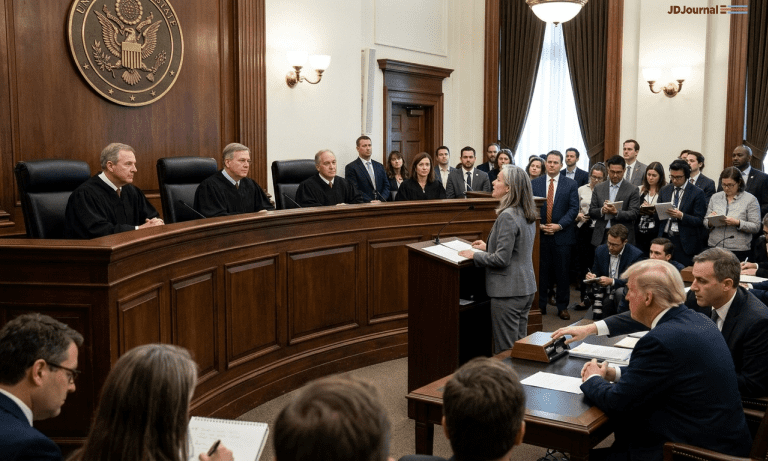

Observers remain uncertain about the ruling, with questions centering on standing, the balance between aesthetics and national security, and Congress’s role in authorizing the project.
The proceedings have drawn national attention from law firms and constitutional law observers, signaling potential long-term implications for executive power and federal property governance.
The federal government argues a court cannot halt the White House ballroom project because construction is already underway and Congress would need to step in to pause it, citing security concerns to proceed.
The case centers on whether cited laws actually grant authority to proceed, with prior rulings suggesting they do not, and whether the pause on temporary construction should stand pending further rulings.
Judge Neomi Rao showed some sympathy toward the president’s standing arguments, referencing prior views on the Trust’s standing in similar challenges.
The latest hearing concluded without a decision, leaving open how standing and ongoing underground construction might influence the ability to halt the project.
Judge Millett noted the potential lack of standing for descendants of historical groups in hypothetical scenarios involving drastic actions against national symbols and infrastructure.
The National Trust for Historic Preservation filed suit after the East Wing was demolished to make way for the ballroom, which Trump has described as capable of hosting up to 999 people.
The D.C. Circuit will hear the appeal to determine whether the administration had authority to demolish the East Wing without Congress approval, raising questions about executive power, historic preservation, and federal oversight.
Judge Millett pressed for clarity on when the project becomes irreversible and whether courts can stop a project that has progressed beyond initial stages, with the government arguing it would be improper to enjoin from Day One.
The ongoing dispute includes Judge Leon’s order to halt aboveground work while allowing underground security facilities to continue, raising questions about standing and national security versus judicial intervention.
Experts say the case could reshape presidential authority over federally owned property and test the use of national security justifications, potentially reaching the Supreme Court if constitutional issues persist.
Summary based on 10 sources
Get a daily email with more US News stories
Sources

Spectrum News • Jun 5, 2026
Court can't stop Trump ballroom construction, government lawyer tells judge
WSLS 10 • Jun 5, 2026
Court can't stop Trump ballroom construction, government lawyer tells judge