Supreme Court Set to Rule on Gun Rights, Transgender Athletes, and Immigration in High-Stakes Term
June 7, 2026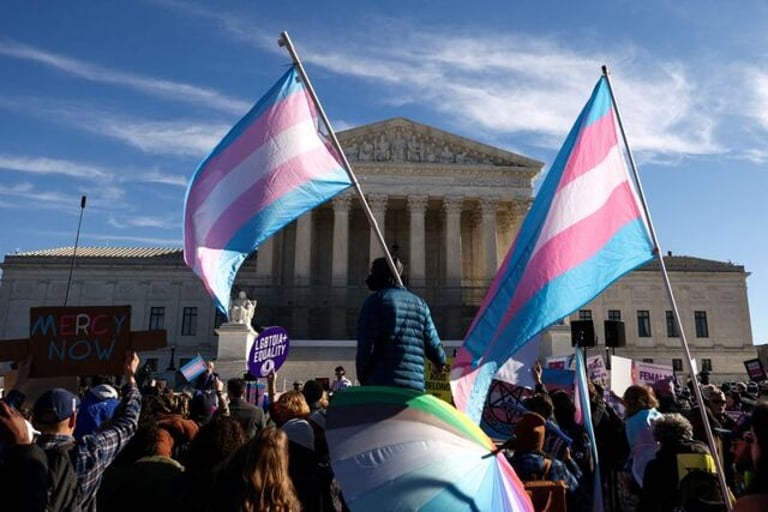

The Supreme Court is set to issue rulings this term on major culture-war cases, including gun rights, transgender athletes, and immigration policies from the Trump era, with decisions expected by late June.
A factbox outlines the docket's high-stakes cases and the anticipation around rulings that could reshape state laws and election processes ahead of the midterms.
Among the pending matters are birthright citizenship, campaign finance limits, mail-in ballot rules, and Second Amendment issues, with potential wide-reaching effects as the term winds down.
A notable decision allowed Alabama’s 2026 election map to stand despite racial-discrimination findings, signaling a test of Voting Rights Act standards and implying Republican gains in several districts due to redistricting.
The NRC and FEC dispute whether 50-year-old party fundraising/spending limits violate the First Amendment, while related cases examine postmark-based counting of late ballots in elections.
Campaign finance rules face potential upheaval as the NRSC v. FEC case questions whether current limits should be kept, altered, or struck down ahead of the midterms.
A broader voting- and elections-themed cluster includes challenges to post-Election Day ballot counting windows and money in campaigns, with possible nationwide procedural and rule changes.
Analysts note the term has been shaped by the presidency, including cases where the administration’s role is a named party.
The Court ruled that the president exceeded authority under the International Emergency Economic Powers Act to impose tariffs, reinforcing congressional control over tariffs.
Additional rulings under IEEPA limit presidential power to impose tariffs without explicit congressional authorization.
In another major decision, the Court cast doubt on presidential authority to deploy IEEPA for tariffs, reinforcing congressional supremacy over fiscal tools.
The Wolford v. Lopez case asks whether states can prohibit carrying firearms in stores and other public-access venues without explicit owner authorization.
Summary based on 16 sources
Get a daily email with more World News stories
Sources
Economic Times • May 20, 2026
Top cases on the United States Supreme Court's docket
Economic Times • May 20, 2026
Top cases on the United States Supreme Court's docket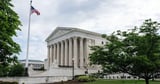
CBS News • May 20, 2026
The major cases the Supreme Court will decide in the coming weeks