Supreme Court: Federal Gun Ban for Drug Users Likely Violates Second Amendment, Challenges Trump-Era Law
June 18, 2026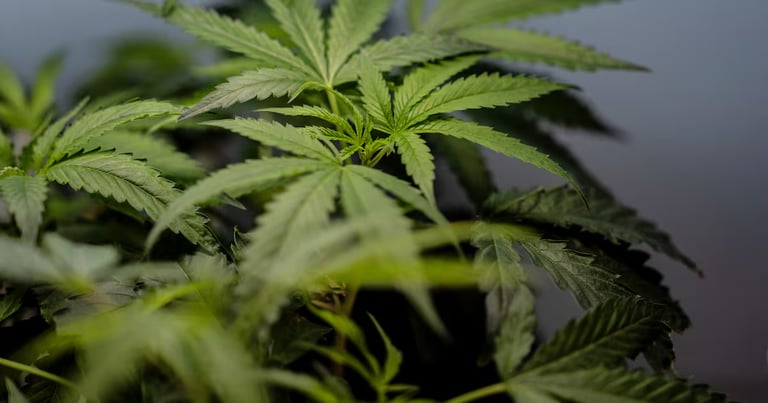

The government’s reliance on historical analogs like habitual drunkards and vagrancy laws was rejected as inapt because those laws targeted different people and procedures.
The ruling uses Bruen’s framework, emphasizing historical precedent to justify firearm restrictions, but leaves lower courts uncertain about how to apply it across cases.
The opinion underscores that any modern restriction must be tied to historical precedent and context, shaping how future gun regulations are evaluated.
In United States v. Hemani, the Supreme Court ruled unanimously that a federal ban on gun possession by drug users likely violates the Second Amendment, though it stops short of categorically barring prosecutors from charging dangerous drug users.
The decision marks a setback for the Trump administration, which had defended the 1968 gun-law provision and had faced similar challenges in other gun-control cases.
Justices noted that the government’s rationale depended on outdated laws targeting different groups, undermining its arguments for today’s marijuana use.
The DOJ argued the law prevents thousands of annual charges and can carry up to 15 years, while some justices questioned the breadth of the statute during arguments.
Justice Jackson, concurring with Justice Sotomayor, endorses Bruen’s framework but urges means-ends scrutiny or alternative testing to safeguard rights in contemporary contexts.
Justices Alito and Kagan concurred in the judgment, suggesting Hemani did not resemble historical habitual-drunkards, and indicating the government failed to prove that analogy.
Experts say the court’s emphasis on historical tradition will influence future firearm regulations and could prompt procedural challenges in gun policy.
Justice Thomas proposed that the federal prohibition could implicate the Commerce Clause, hinting at a deeper constitutional review not adopted by the majority.
Cecillia Wang of the ACLU stressed that the court’s ruling signals against making broad, unfounded assumptions about danger when regulating large populations.
Summary based on 44 sources
Get a daily email with more US News stories
Sources

AP News • Jun 18, 2026
Supreme Court sides with marijuana user who wants to legally own a gun | AP News
Yahoo News • Jun 18, 2026
Supreme Court Makes It Clear There Is No Drug Exception to the Second Amendment
CNN • Jun 18, 2026
Supreme Court limits power of federal government to disarm drug users
USA TODAY • Jun 18, 2026
Supreme Court loosens law barring marijuana users from owning guns