Tucker Carlson Breaks with GOP, Criticizes Party's Corporate and Foreign Policy Ties
June 23, 2026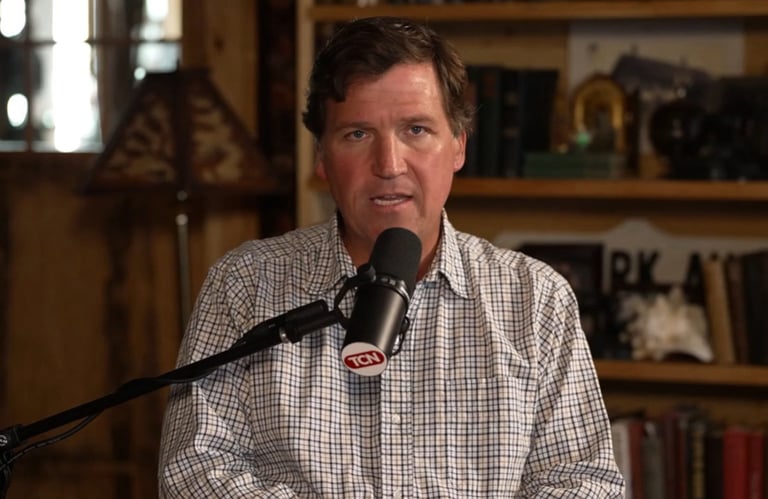

The GOP faces challenges preserving unity across its factions, with ongoing discussions about leadership and future strategy.
Carlson has criticized Israeli Prime Minister Netanyahu’s influence on Trump’s decisions and has drawn criticism from some in the American Jewish community who accuse him of anti-Semitism.
Alyssa Farah Griffin criticized Carlson for not calling out the president more directly and suggested both Greene and Carlson are departing from Trump due to concerns over Israel’s influence and other reasons.
Experts view high-profile departures as indicators of deeper shifts within political movements and voter sentiment.
Carlson’s influence and audience mean his departure could have meaningful implications for conservative discourse and midterm dynamics.
Analysts note the Iran conflict has sharpened Carlson’s critique of interventionist foreign policy and pushed him toward an America First stance, consistent with his history of opposing overseas military involvement.
As a high-profile media figure, Carlson’s move underscores potential shifts in voter alignment within the conservative movement.
On a podcast appearance, Tucker Carlson announced he will no longer support the Republican Party ahead of the November midterms, signaling a major break with the party he has defended for decades.
He argued the GOP makes decisions based on the interests of companies, Israel, and donors, calling these choices unacceptable, treasonous, immoral, and unsustainable.
Carlson added, “So no, I’m out,” suggesting others may also depart and highlighting a widening rift within MAGA-influenced conservatives.
Disagreements within the MAGA coalition have intensified over foreign policy and economic policy, including debates about Iran, U.S. interventions, inflation, and spending.
Observers say continued public debates among prominent figures could influence electoral dynamics, though realignments are common and evolve over time.
Summary based on 9 sources
Get a daily email with more US News stories
Sources

RadarOnline • Jun 23, 2026
Tucker Carlson Torched on 'The View' After Breaking With Republican Party
The American Bazaar • Jun 23, 2026
Who is Tucker Carlson? Conservative commentator says ‘I’m out’ of the Republican Party
The DONG-A ILBO • Jun 23, 2026
Tucker Carlson abandons Republicans over Iran war