Supreme Court Ruling Limits Inmates' Ability to Sue Prison Officials for Religious Rights Violations
June 23, 2026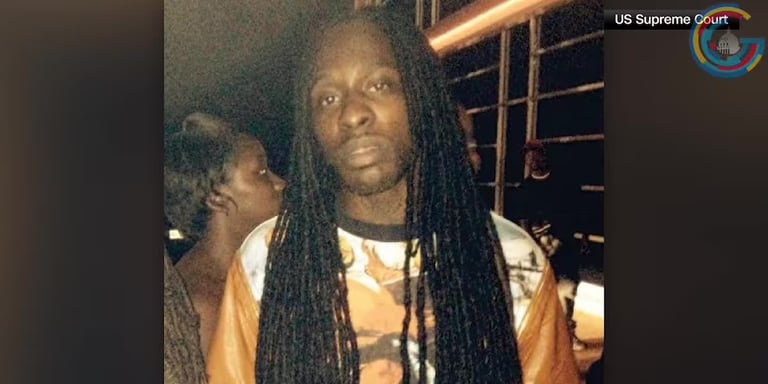

The administration stance was mixed: the Trump administration backed Landor, while Louisiana Governor-elect officials welcomed the outcome and pledged policy changes to prevent recurrence.
The Court did not decide whether RLUIPA allows any money damages at all; it focused on liability of nonconsenting state employees under a funding-condition theory.
The Supreme Court ruled that Damon Landor cannot sue prison officials for shaving his dreadlocks in violation of his Rastafari beliefs under RLUIPA, because the court held Congress cannot impose damages on individual officers via the Spending Clause without their own consent.
Media coverage notes ongoing context about prisoners religious rights and accountability, and situates the ruling within broader legal frameworks.
Landor vows to continue pursuing accountability and religious-rights protection for inmates despite the ruling.
Experts warn the ruling could have wider implications for inmate rights and religious practices behind bars, potentially weakening protections for non-Christian inmates.
Louisiana officials argued the ruling upholds religious liberty protections and noted appellate courts had often rejected damages claims against individual officers under RLUIPA.
The decision frames the Spending Clause as a contract with states, requiring consent for damages claims and limiting Congress €™ regulatory reach over individual officers.
The ruling preserves RLUIPA protections for religious exercise in prison but blocks monetary damages claims against individual officers; the decision centers on a funding-condition theory and the lack of officer consent.
Justice Ketanji Brown Jackson, in a dissent joined by two liberal justices, argued the decision weakens federal-law compliance incentives and highlighted the incident as illustrating Congress €™s intent behind RLUIPA.
Legal and policy implications include concerns about enforcing federal civil-rights protections and the potential limit on holding officials personally liable for rights violations.
The Court affirmed that Landor €™s rights were violated and condemned the treatment, but RLUIPA cannot be used to financially hold individual officers liable; only certain relief may be available.
Summary based on 29 sources
Get a daily email with more US News stories
Sources

AP News • Jun 23, 2026
Supreme Court rules against Rastafari man in prison dreadlocks case | AP News
Punch Newspapers • Jun 23, 2026
US court rules against man whose dreadlocks were cut off in prison
The Economist • Jun 24, 2026
A Rastafarian prisoner cannot sue guards who shaved his locks