Indigenous Food Sovereignty: Spears Family Advocates for Federal Support in Tribal Agriculture
July 3, 2026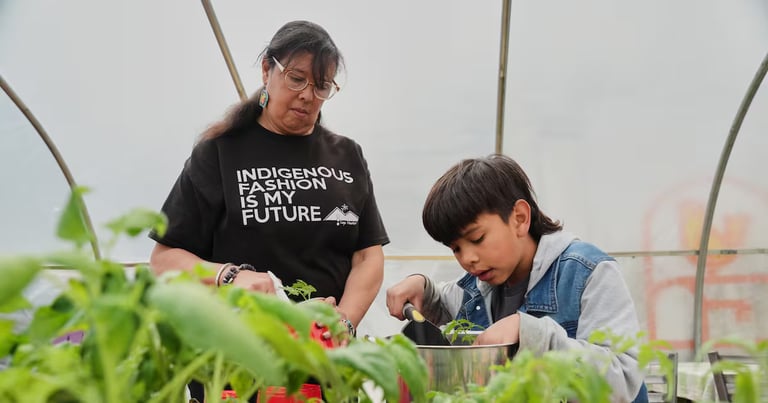

A Rhode Island-based Indigenous family, the Spears of Ashawaug Farm, advocate for prioritizing Indigenous producers in tribal food purchases and expanding access to land and native plants, arguing federal support could safeguard land access and traditional food systems for future generations.
Senators Jack Reed and Jim Justice introduced a bill modeled on LFPA/LFS to create a permanent grant program, reserving 10% of funding for tribes and mandating funding for reliability and planning for farmers.
The story highlights Indigenous food security and the value of locally sourced, culturally relevant foods in tribal distributions and school programs.
Historically, federal programs funded tribal farmers’ local food purchases for food banks and schools, but many were cut during the Trump era, limiting access to culturally significant foods for Native communities.
Two Biden-era programs, LFPA and LFS, provided over $1 billion for local food purchases but were discontinued in March 2025, prompting concerns about access to nutritious, locally sourced foods for tribal members.
Under the Biden administration, LFPA and LFS were created to help funds flow to states and tribes for local foods, benefiting tribal communities and small producers linked to farms like the Spears’.
The Spears family cultivates Narragansett heritage crops—white corn, succotash beans, and crookneck squash—and seeks to move beyond farm stands to broader markets.
Experts emphasize that federal financial and land-access support is critical to protecting Indigenous land, knowledge, and biodiversity amid development pressures.
There is a broader effort to fuse Indigenous food sovereignty with federal policy through Farm Bill legislation, stressing stable funding for tribal agriculture amid ongoing negotiations.
The narrative frames a tension between the need for steady federal support to preserve Indigenous agriculture and political shifts that have reduced key assistance programs, with ongoing efforts to secure permanent funding.
Summary based on 16 sources
Get a daily email with more US News stories
Sources

AP News • Jul 3, 2026
Some tribes hope new Farm Bill will help them feed more people | AP News
ABC News • Jul 3, 2026
Tribes hope Farm Bill can feed more people and preserve Indigenous culture
FOX40 News • Jul 3, 2026
Tribes hope Farm Bill can feed more people and preserve Indigenous culture
Breitbart • Jul 3, 2026
Tribes hope Farm Bill can feed more people and preserve Indigenous culture