White House Report Criticizes Smithsonian Leadership for 'Radical Activism'; Trump Eyes Leadership Changes
July 5, 2026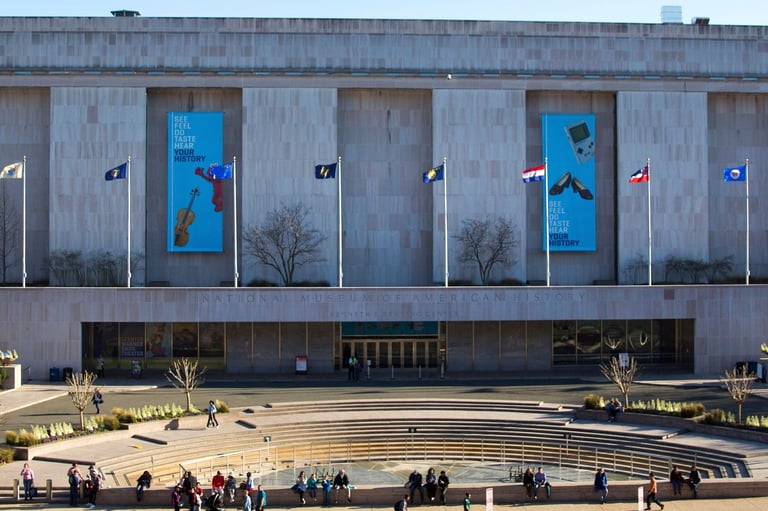

A White House report accuses Smithsonian leadership, especially at the National Museum of American History, of embracing radical activism and ideologically charged storytelling, hinting that Trump may replace leadership.
The report situates this within a broader White House effort to reshape cultural institutions and interpretation of history, including pressure on other institutions and related court rulings.
Released on Independence Day by the White House Domestic Policy Council, the document frames Trump’s push as funding policies aimed at reducing what he calls divisive narratives in national history.
The source is the White House, with readers directed to the full report for review.
Public reactions feature concerns about rewriting history and preserving multiple perspectives in national narratives.
Smithsonian Secretary Lonnie G. Bunch III defends autonomy, saying the institution follows requests while pursuing nonpartisan, scholarship-driven research across administrations.
The report recalls 1955 and 1964 statements about presenting America’s progress, contrasting them with the current interpretive approach it describes.
Actions beyond Washington, such as in Philadelphia, involve contested slavery-history panels and court rulings affecting interpretive content.
Anthea M. Hartig, the National Museum of American History director, and Lonnie Bunch are highlighted as central figures; Bunch argues for inclusivity and aspirational history.
The report notes Bunch and Hartig as key leaders and presents Bunch’s inclusive-history stance as a counterpoint to the criticisms.
Bunch states the Smithsonian’s goal is scholarship-driven, not partisan, and that scholarship guides its work rather than politics.
The article frames ongoing tensions between Trump’s control of cultural narratives and institutional defense of scholarly inclusivity.
Summary based on 11 sources
Get a daily email with more US News stories
Sources

AP News • Jul 5, 2026
Trump report slams Smithsonian leaders as activists who can't be trusted | AP News

Chicago Tribune • Jul 5, 2026
White House report brands Smithsonian leadership as radical activists who can’t be trusted