South Carolina's Food Tourism Boom: Culinary Delights Draw Global Visitors, Boosting Economy
July 19, 2026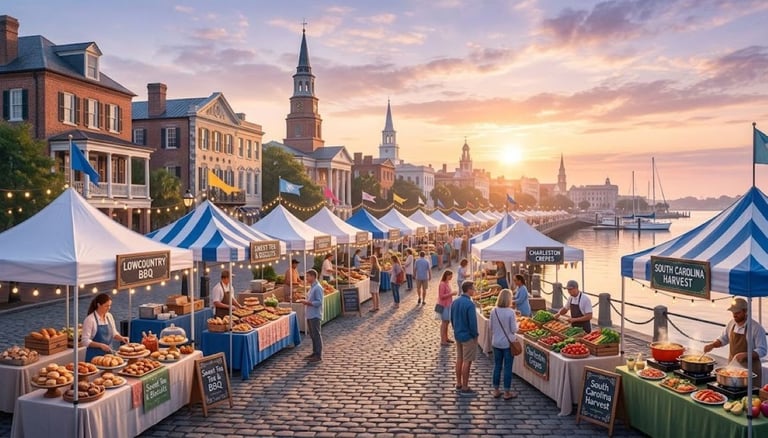

Affluent metropolitan outliers from New York, Ohio, and Texas are reshaping Charleston into a premier fine-dining destination, driving investment in luxury hotels, exclusive dining, and high-end culinary projects.
Upstate and Midlands regions, including Greenville and Columbia, are expanding through agritourism, with farms adding tasting rooms, craft beverages, and educational experiences to attract high-spending visitors, while agritourism grows rapidly.
South Carolina is experiencing a record surge in food tourism, establishing the state as a premier culinary destination from the coastal Lowcountry to inland barbecue trails, with dramatic growth drawing international visitors to iconic coastal regions such as Charleston, Beaufort, and Hilton Head.
Accommodation taxes ranging from 6% to 9% are generating essential funding for infrastructure and preservation as overnight stays rise.
Canada remains the largest international source market, supporting extended stays and steady food-related spending across family-style eateries, seafood venues, and local markets, helping stabilize the hospitality economy in off-peak months.
Experts emphasize preserving authenticity and heritage as the industry expands, while also addressing seasonality, infrastructure strain, economic dependence on tourism, and farmland protection.
Practical traveler guidance includes pre-booking coastal dining, exploring interior barbecue trails, adding agritourism stops, budgeting for taxes, and enjoying heritage-guided culinary tours.
Domestic drives from North Carolina, Georgia, and Tennessee form a core visitor segment focused on slow-smoked barbecue, festivals, and agritourism that support rural economies.
Travelers from the United Kingdom and Germany contribute high per-capita spending and seek deeper cultural and historical roots of Lowcountry cuisine, including Gullah-Geechee influences, heirloom rice, and heritage farm experiences.
Authenticity—driven by long-standing family recipes and storytelling—drives visitor loyalty and underpins support for local chefs, restaurateurs, and heritage fishermen.
Post-pandemic travel shifts toward nature-based destinations paired with authentic culinary experiences, benefiting rural farming networks and coastal fisheries through agritourism and premium gastronomy.
Mid-Atlantic travelers from Virginia, Maryland, and Pennsylvania form a secondary core, attracted to Grand Strand and Myrtle Beach seafood experiences and large coastal venues.
Summary based on 2 sources