$65 Billion 'Turn the Tide Act' Targets Comprehensive Substance Use Disorder Solutions in Federal Push
July 20, 2026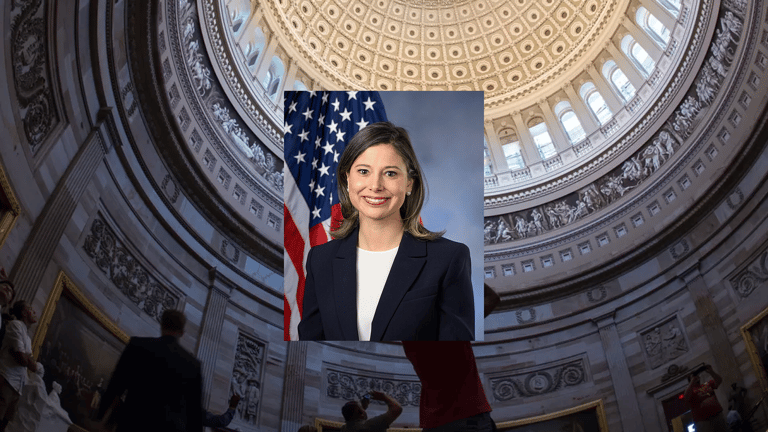

Key provisions include raising State Opioid Response grant funding to bolster state programs, expanding recovery housing through HUD, creating a trauma-exposure reduction program for children, and ensuring naloxone is covered by insurers and Medicare Part D with no copays or deductibles.
The Act proposes more than $65 billion in federal funding over ten years to support treatment programs, prevention efforts, and workforce expansion in the substance use disorder space.
The press release includes a disclaimer that the AI-generated summary may contain inaccuracies and provides a link to the full release.
Specific funding targets include increasing annual State Opioid Response grants to $5.5 billion for five years, expanding recovery housing funding, and launching a trauma-exposure reduction program modeled after a Manchester-based Adverse Childhood Experiences response team.
A new federal bill, the Turn the Tide Act, was introduced in the U.S. House by Representatives Maggie Goodlander and Chris Pappas to expand substance use treatment, prevention, recovery housing, and naloxone access, with a companion measure in the Senate.
Overall, the bill seeks to boost treatment, prevention, and workforce support for substance use disorder through substantial federal investment.
Additional information highlights Maggie Goodlander’s other bill proposals and provides links to track her legislation and political finances.
The sponsors highlight a history of attempting to reverse grant cancellations and reinstate fired SAMHSA personnel as context for the current proposal.
Senators Shaheen and Hassan introduced the companion Senate legislation to back the House action.
The legislation would require private insurers and Medicare Part D plans to cover naloxone with no copay or deductible and remove barriers like prior authorization that delay access to medication-assisted treatment.
Sponsors reference prior efforts to restore federal addiction and public health funding, including efforts to reinstate SAMHSA workers and restore nearly $12 billion in SAMHSA and CDC grants.
Contextual notes include New Hampshire’s 2nd district election dynamics and donor activity, with the race currently rated Solid D.
Summary based on 2 sources
Get a daily email with more US News stories
Sources

Congressman Chris Pappas • Jul 17, 2026
Pappas, Goodlander Lead Legislation to Combat Substance Use Disorder in House | Congressman Chris Pappas
QuiverQuant • Jul 20, 2026
Press Release: Goodlander, Pappas Introduce House Bill to Expand Substance Use Treatment Funding