EEOC Moves to End EEO-1 Data Collection, Stirring Debate on Civil Rights Impact
July 21, 2026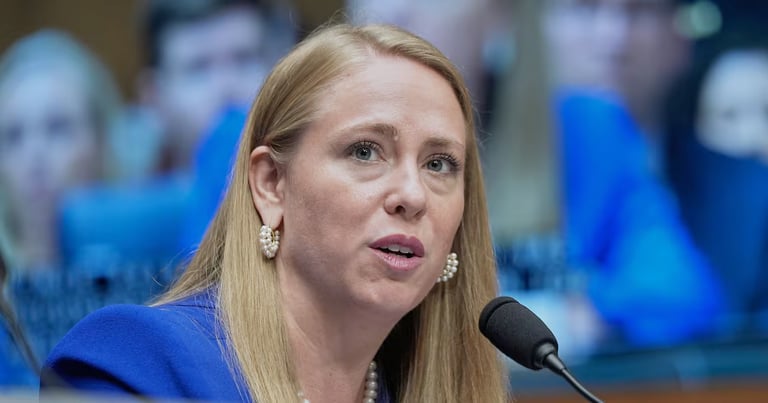

The EEOC voted to rescind the longstanding EEO-1 data collection, arguing the data are costly and could promote stereotyping, while opponents say the data are essential to identifying discrimination patterns and tracking progress since the Civil Rights Act.
Kalpana Kotagal, the sole Democrat left on the EEOC, opposed the rescission, warning it would roll back civil rights gains and weaken worker protections.
Critics contend the data do not drive quotas and are crucial for monitoring discrimination and enforcement, arguing that ending collection could reduce transparency in employment practices.
The policy shift aligns with Project 2025 and the Heritage Foundation’s influence, signaling a broader conservative realignment of civil rights enforcement under the Trump-era framework.
Supporters tied the move to a wider agenda under the Trump administration, including calls to curb diversity, equity, and inclusion initiatives in workplaces.
Heritage Foundation’s Project 2025 framework is cited as guiding officials who pushed or facilitated related changes within the EEOC.
If leadership changes in the future reverse the policy, reinstatement of program data or alternative methods could occur.
Public comment on the proposed rescission will run for 30 days as part of the federal rulemaking process, and the rule is not final yet.
During the 30-day comment period, the EEOC seeks input before potentially finalizing the rule to end the EEO-1 data collection, with employers urged to continue internal collection for compliance.
Employers are encouraged to maintain internal demographic data and continue compliance efforts while discrimination laws remain in effect.
Observers note a broader pattern of rolling back DEI initiatives under the current administration, with possible correlations to layoffs and unemployment trends among Black workers in a tightening labor market.
Public data show ongoing underrepresentation of women and racial minorities in executive roles, with women around 34.5% and white men about 52.7% of executive positions as of 2023.
Summary based on 12 sources
Get a daily email with more US News stories
Sources

AP News • Jul 21, 2026
US civil rights agency moves to end demographic data collection after 60 years | AP News
AP News • Jul 21, 2026
US civil rights agency moves to end demographic data collection after 60 years | AP News
Yahoo News • Jul 21, 2026
EEOC moves to end 1966 rule on racial data collection that would ‘resegregate’ America
Al Jazeera • Jul 21, 2026
US agency proposes ending racial and gender workforce data collection