Okefenokee Swamp Achieves UNESCO Status, Boosting Conservation Amid Mining Threats
July 27, 2026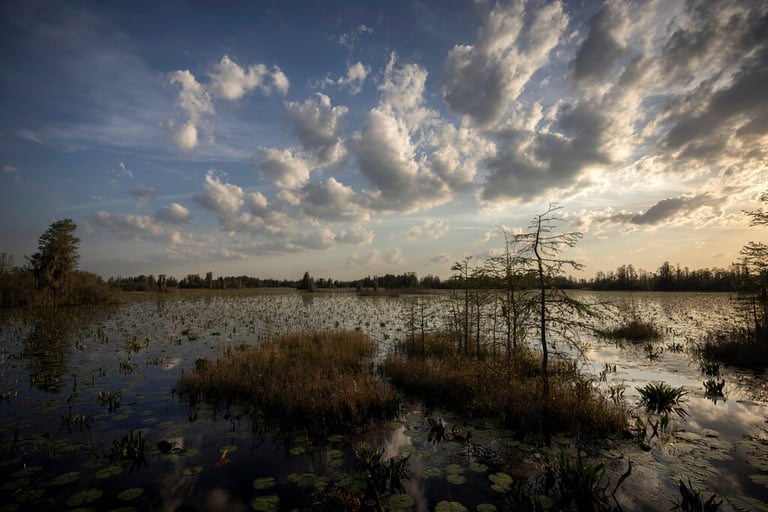

Okefenokee faces nearby mining threats, particularly titanium dioxide; while conservation efforts blocked some activity, adjacent lands still face potential mining risks.
The designation strengthens efforts to protect the area amid mining threats, notably titanium dioxide mining by Twin Pines Minerals, which was halted by a conservation group purchase of land in 2023, though nearby lands remain at risk.
Local stakeholders emphasize cultural significance in addition to natural value, with Muscogee (Creek) Nation representatives noting ancestral connections tied to the site.
Advocates, including Georgia Rivers, see UNESCO status as a tool to strengthen protection against mining and spur broader conservation across surrounding lands.
Experts and advocates say UNESCO recognition increases visibility and protection, but ongoing vigilance is essential to shield the swamp from future mining and development pressures.
The UNESCO designation was announced during the 48th World Heritage Committee session in Busan, highlighting the swamp’s ecology, biodiversity, and expansive subtropical peatland ecosystem.
Officials anticipate economic benefits from tourism, with a 2024 study projecting about 800,000 visitors annually, roughly 750 long-term jobs, and around $60 million in yearly economic activity.
The Okefenokee Swamp in Georgia was designated a UNESCO World Heritage Site, becoming the first national wildlife refuge in the United States and Georgia’s first World Heritage Site.
Key political support came from Georgia politicians and university leaders pushing Interior Department action toward the World Heritage designation as part of preservation and economic development goals.
Local stakeholders emphasize broader benefits beyond biology, including cultural significance and enhanced visibility for tourism and regional economic growth in south Georgia.
The swamp hosts more than 1,200 species and contains the largest undisturbed peat deposit on the North American Coastal Plain, with ongoing concerns about water usage related to potential mining.
University of Georgia research indicates mining could deplete the swamp by drawing water from an underlying aquifer, challenging the notion of separation by clay and highlighting environmental concerns.
Summary based on 2 sources
Get a daily email with more US News stories
Sources

The Christian Index • Jul 26, 2026
Okefenokee earns World Heritage site status, but mining concerns persist
Capitol Beat • Jul 26, 2026
Okefenokee wins UNESCO status, boosting tourism and protection