FCC Repeals TV Ownership Cap: Boosting Competition or Threatening Local Media?
August 6, 2026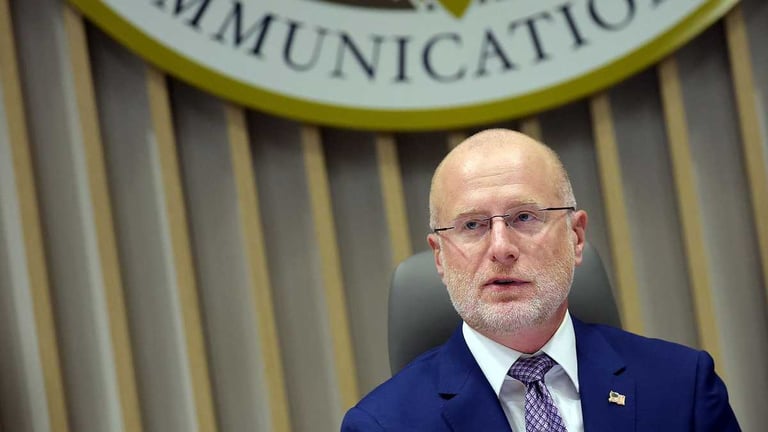


The FCC voted to repeal the national TV ownership cap, a move supporters say will modernize rules and boost competition against tech platforms, while critics warn it will accelerate consolidation and reduce localism.
Chairman Brendan Carr framed the change as a public-interest upgrade, with the FCC reviewing deals case-by-case rather than applying a blanket limit, and allowing approvals that expand reach if they serve local journalism, viewpoint diversity, or other public benefits.
Democratic Commissioner Anna M. Gomez argued the move shifts pressure from Big Tech to Big Media, potentially thinning local control and community impact in programming.
The decision comes amid ongoing legal challenges and antitrust scrutiny surrounding major mergers, notably Nexstar Media Group’s Tegna deal, which faced temporary waivers and litigation.
Industry context shows a broader debate over ownership rules in a media landscape increasingly dominated by streaming and tech platforms.
Observers tie the ruling to wider concerns about media consolidation under a polarized political environment, linking it to recent high-profile mergers and industry realignments.
Experts anticipate further disputes and possible legislative or judicial challenges over how the policy affects local news, programming, consumers, and regulators.
Nexstar and other large station groups praised the decision as recognizing today’s competitive landscape and the dominance of online platforms, while opponents say it concentrates power and harms local programming.
Nexstar highlighted the need to compete with tech giants and argued that regional broadcasters have been disadvantaged by outdated rules.
Regulatory context includes scrutiny of licenses and debates about the influence of large networks on local programming and the public’s trust in local news.
Reaction in the industry is mixed: some welcome the deregulation, while critics warn of reduced localism, stronger consolidation, and potential legal challenges.
Press-freedom and media-pluralism groups pledged to challenge the move in court, citing concerns about reduced viewpoint diversity and local reporting.
Summary based on 18 sources
Get a daily email with more World News stories
Sources

Ars Technica • Aug 6, 2026
Trump FCC kills TV ownership cap, claiming authority over limit set by Congress
Gizmodo • Aug 6, 2026
Unlawful On Its Face’: FCC Eliminates Cap on TV Ownership Rule
Variety • Aug 6, 2026
FCC Eliminates TV Station Ownership Cap in Win for Big Broadcasters