Court Blocks White House Ballroom Project, Reigniting Debate Over Executive Power and Historic Preservation
August 7, 2026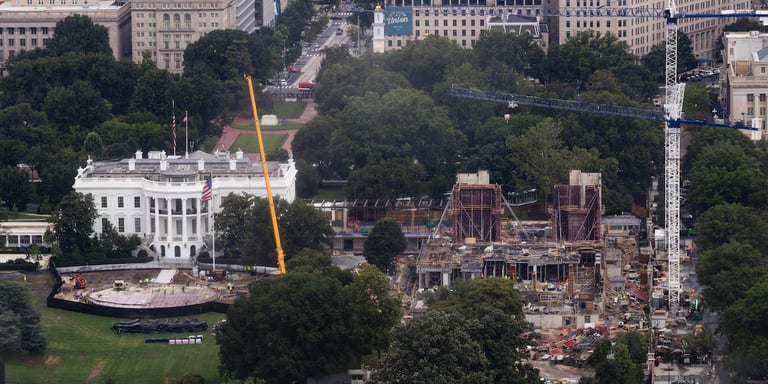

A US appeals court, in a 2-1 ruling, blocked the White House ballroom project above ground on the former East Wing site pending further review and congressional authorization, signaling a legal clash over presidential projects and legislative control.
The case, brought by the National Trust for Historic Preservation, argues to safeguard historic sites, while the administration contends security needs drive the construction.
The ruling implies that Congress—not the president—must authorize the project, reinforcing the balance of power between branches.
Coverage notes Trump’s broader online activity and related topics linked in Indy100, reflecting the wider media ecosystem surrounding his posts.
The episode underscores ongoing legal and political scrutiny of Trump-related activities and executive projects.
Trump has signaled ongoing legal actions and public statements via Truth Social, with the case prompting questions about executive power and congressional oversight.
The story situates security-focused infrastructure proposals at the White House within a broader context, including a separate arch proposal near national memorials that has drawn scrutiny.
Related context notes additional Trump-era constructions, such as a proposed 76-meter triumphal arch, that have also faced legal hurdles.
Trump frames the renovations as restoring Washington’s splendor, while critics view spending as politically motivated and image-driven.
The administration defends the project as a ceremonial venue and a national-security asset, arguing security needs have evolved amid assassination attempts, drones, and political violence.
The tone emphasizes support for private funding for the ballroom and criticizes opponents and the broader political process around the project.
Public records show the cost has ballooned from about 200 million to as much as 600 million, with discussions in 2026 of a separate 1-billion funding bid for security.
Summary based on 92 sources
Get a daily email with more US News stories
Sources


AP News • Aug 7, 2026
Appeals court orders halt to White House ballroom construction | AP News
Fortune • Aug 7, 2026
Trump's $400 million White House ballroom hits another legal roadblock | Fortune