States Increase Funding for College Athletics Amid Surging Spending and Growing Deficits
August 20, 2026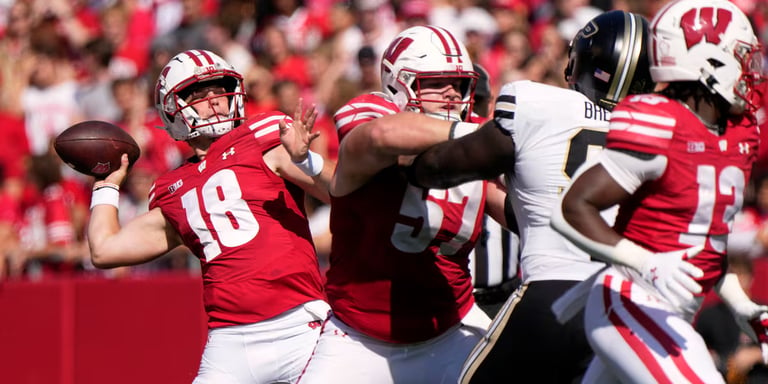

States increasingly use taxpayer funds to support college athletic programs by funding facilities and indirect costs, freeing universities to spend elsewhere and potentially enabling private NIL deals or direct payments within caps.
North Carolina’s 2024 shift in sports betting revenue earmarked athletic budgets, with UNC-Chapel Hill and NC State projected to receive about $3 million this year and roughly $5.8 million next year.
Overall athletic spending has risen sharply over four years, outpacing revenue and contributing to deficits at many public Division I programs, fueling debates over governance and accountability.
Critics and some lawmakers questioned the necessity and accountability of publicly funding NIL, voicing concerns about transparency, scope, and the rushed passage of the bill, with a mixed vote from Republicans and Democrats.
The law exemts many athletic department records from public records requirements, limiting transparency around programs.
The law also restricts what college players can endorse, banning endorsements of cigarettes, tobacco products, vaping devices, alcohol, gambling, banned substances, illegal activities, and other items.
Supporters argue the law boosts competitiveness, attracts top talent, and drives economic activity and statewide pride through championship-level athletics.
UW–Madison suggested it might have had to cut athletic programs without the bill, underscoring perceived economic and campus-life benefits of athletics.
The article places the developments in a nationwide context, noting multiple states and institutions reflecting a broader shift.
The NIL funding traces to a Wisconsin bill signed by the governor in April to regulate NIL and support athletic facilities before reallocating to player compensation.
The NIL era and new revenue strategies are reshaping funding models, but concerns remain about neglecting women’s programs and Olympic sports.
The shift appears to occur irrespective of athletic success, signaling ongoing state support for athletics.
Summary based on 36 sources
Get a daily email with more US News stories
Sources
AP News • Aug 20, 2026
States use tax dollars to shore up rising college sports budgets | AP News
WTOP News • Aug 20, 2026
States pour taxpayer dollars into college sports as athlete pay, soaring costs squeeze budgets
The Washington Post • Aug 20, 2026
States pour taxpayer dollars into college sports as athlete pay, soaring costs squeeze budgets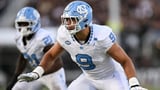
Spectrum News 1 Charlotte • Aug 20, 2026
States pour taxpayer dollars into college sports as athlete pay, soaring costs squeeze budgets