Louisiana's Redistricting Battle: Black Leadership and Representation Under Siege
August 26, 2026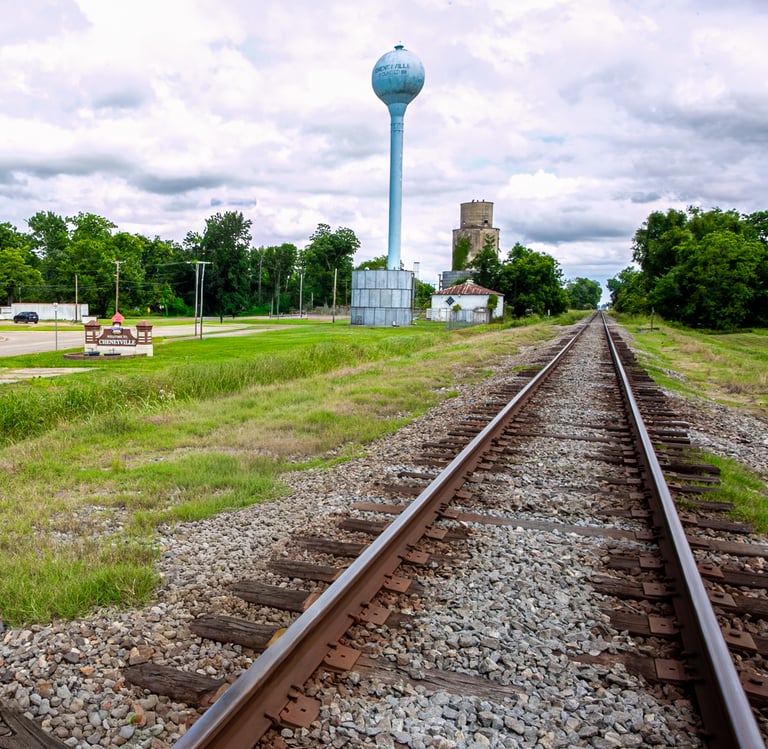

Louisiana's District 6 saga illustrates how courts and lawmakers have redefined community of interest and race in redistricting, shifting from Black enclaves to predominantly white districts.
Personal stories, like Cheneyville Mayor Ronny Green Jr., show the real-world effects of redistricting on local governance, water infrastructure, and Black leadership opportunities.
A historical backdrop traces Jim Crow, the 1921 state constitution, Plessy v. Ferguson, and the Colfax massacre to explain the long arc of voting-rights dynamics in Louisiana.
A Supreme Court decision on April 29, 2024 upheld the redistricting logic, triggering political fallout in Louisiana with delayed primaries and a map that reduces Black-majority districts from two to one.
The series sets up its final installment by promising further examination of local resistance to highway projects and toxic dumps amid the fight for Black political representation.
The piece situates Louisiana within a broader Southern pattern, noting similar redistricting pressures in Georgia, Mississippi, South Carolina, Tennessee, and Alabama.
Courts rejected the idea that Black communities along I-49 and the Red River form a single community of interest, while recognizing a Cajun community as such.
Louisiana legislative actions dissolved Rep. Cleo Fields’s seat and redrew districts to concentrate more Black voters into District 2, while the remaining Black district in District 6 faced existential challenges.
The narrative centers human impact with local leaders and residents pushing for accountability, better infrastructure, and genuine representation amid shifting district lines.
Summary based on 1 source
Get a daily email with more US News stories
Source

The Lens • Aug 26, 2026
Ribbon of Black enclaves reflects deep Louisiana history