U.S.-Iran Conflict: Six-Month Review Highlights Economic Strain and Diplomatic Tensions
August 29, 2026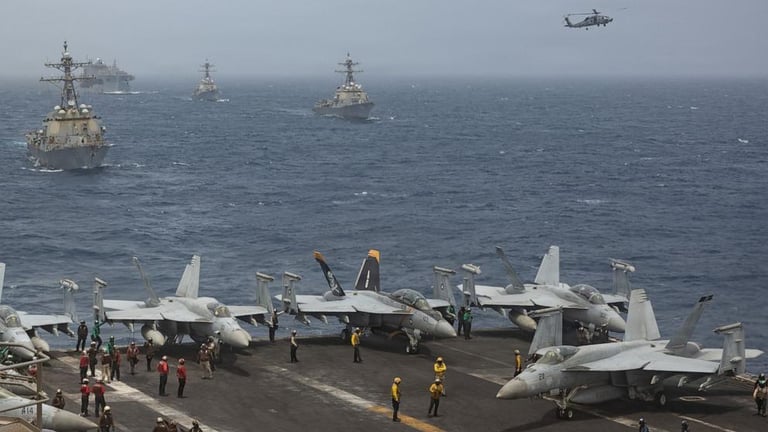

The war with Iran began February 28 after U.S. and Israeli strikes knocked out much of Iran's leadership and damaged key facilities, following covert actions in mid-2025 targeting Iran's underground nuclear program.
Iran answered with retaliatory strikes on U.S. bases around the Gulf, and its seizure of the Strait of Hormuz disrupted global shipping and added pressure on the world economy.
U.S. casualties stand at 18 service members killed and more than 750 wounded, with several dignified transfer ceremonies observed by high-level officials; American households are facing higher fuel costs as gas prices rise.
The war is inflating economic costs, including a Pentagon request of about $67.1 billion for the current year and a broader defense budget proposal of roughly $1.5 trillion for 2027.
Officials describe a shift from overt military action to economic pressure and sanctions, calling it the beginning of the endgame, while diplomacy continues to be pursued.
Public opinion remains largely negative toward the war and the White House, with growing Republican concerns about midterm electoral implications.
Diplomatic efforts persist, building on prior high-level talks and a short-lived June memorandum of understanding on a nuclear deal; negotiations have stalled despite ongoing mediation.
This piece provides a six-month review of the U.S.-Iran conflict, tracing its origins, key events, and the evolution of strategy up to August 2026.
Summary based on 1 source
Get a daily email with more US News stories
Source
Good Morning America • Aug 28, 2026
US marks 6 months of war with Iran. Here's what it means for Americans, what's ahead