Fed Official Hints at Steady Rates Amid Inflation Trends; NVIDIA Acquires Hugging Face for $13 Billion
September 3, 2026


Fed official signals openness to holding rates steady at the September meeting if inflation cools, but warns a hike remains possible if August data comes in hotter than expected.
Gold prices retreated over 2%, hitting a two-week low as rising U.S. yields and a stronger dollar weighed on demand.
Markets priced in higher odds of a rate hike following Powell's remarks, sending bond yields higher and lifting stock indices.
Oil and energy shares attracted attention as AI and semiconductor strength supported the broader market, with NVIDIA cited as a growth driver and Micron benefiting from expectations of production expansion.
Broad market trends showed positive momentum in major indices, a slight uptick in longer-duration Treasuries, mixed regional markets, and geopolitical tensions in the Middle East weighing on risk sentiment.
Industrials and infrastructure outperformed modestly, while healthcare, energy, and consumer discretionary Led declines among the S&P 500 sectors.
Iran-related tensions intensified as U.S. forces struck Iranian crude tankers after IRGC missile launches, heightening geopolitical risk for energy markets and rates.
Healthcare costs and insurance pressures remained a notable drag on company earnings across several districts.
Uncertainty rose due to high energy prices and ongoing international disputes, shaping business sentiment and policy expectations.
Analysts weighed the AI ecosystem, comparing open versus closed model economics and potential impacts on competitors like OpenAI and Anthropic.
Key stocks to watch included Tesla amid Cybercab scrutiny, Lululemon after weak Q2 results, Planet Labs on strong Q2, and Credo Technology amid chatter of S&P 500 inclusion.
Tech shares faced pressure from higher rate expectations, with mixed moves: the Wind US Tech Giants index slid while NVIDIA rose and Tesla fell sharply.
Summary based on 46 sources
Get a daily email with more Macroeconomics stories
Sources
Economic Times • Sep 4, 2026
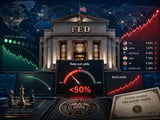
US Fed rate cut bets fall below 50% after Governor Chris Waller’s comments. What did he say?
ABC News • Sep 3, 2026
Fed's Waller says central bank's next rate move depends on upcoming inflation report
Boston Herald • Sep 3, 2026
Will Federal Reserve hike rates later this month? Waller muddies the outlook