House Passes Bill Tying University Funds to Israel Boycott Stance, Senate Faces Critical Vote
September 3, 2026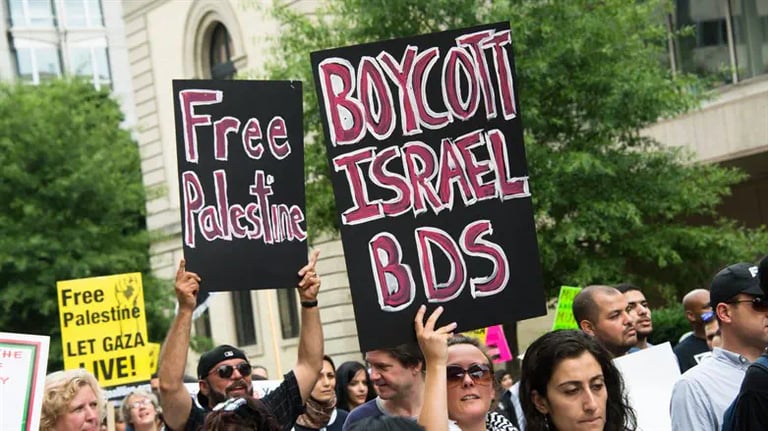

The U.S. House has passed a bipartisan measure, the Protect Economic and Academic Freedom Act, aimed at cutting off federal funding to universities that participate in or support boycotts of Israel, effectively tying funding to anti-boycott compliance.
The bill now heads to the Senate, where advancing it requires 60 votes in a narrowly Republican-controlled chamber.
Prominent figures on both sides weigh in: supporters frame the measure as protecting taxpayer funds and countering antisemitism on campuses, while opponents, including Rep. Jerry Nadler and groups like J Street, argue it threatens free speech and academic dialogue.
Additionally, the piece notes Navy morale concerns aboard the USS Abraham Lincoln amid an extended deployment, signaling the broader conservative media framing of national-security and education policy.
The article contextualizes a key debate over academic freedom and free speech in relation to foreign policy and funding, reflecting ongoing national conversations about expression on higher education campuses.
CAIR provides contact information for leaders and media spokespeople for further inquiries.
Experts warn of a potential chilling effect on free speech and the expansion of anti-boycott laws to other sectors, highlighting the struggle to balance anti-discrimination aims with constitutional rights.
Background context includes international and domestic debates over settlements and opinions on Israel, with shifting public sentiment in the U.S. and continued Capitol Hill dynamics.
Nadler, while opposing BDS, asserts supporters have First Amendment rights and would defend free speech, including disagreeable speech.
The piece weaves in related political developments, including other investigations and rule proposals, providing a broader political backdrop.
The story is dated with the initial publication on September 4, 2026 and a latest update time noted in reporting.
Advocates and opponents underscore arguments about protecting free speech, access to federal funds, and accusations that supporters silence dissent or push occupation policies.
Summary based on 28 sources
Get a daily email with more US News stories
Sources
Yahoo News • Sep 3, 2026
Congress Is Trying (Again) To Ban Boycotting Israel
The New Republic • Sep 3, 2026
Every Democrat Who Voted to Defund Schools That Boycott Israel
The Guardian • Sep 3, 2026
US House passes bill penalizing universities that participate in boycott of Israel
Reason.com • Sep 3, 2026
Congress is trying (again) to ban boycotting Israel