Influencers Disrupt US Open: Debate Over Fan Etiquette and Sports Event Evolution
September 7, 2026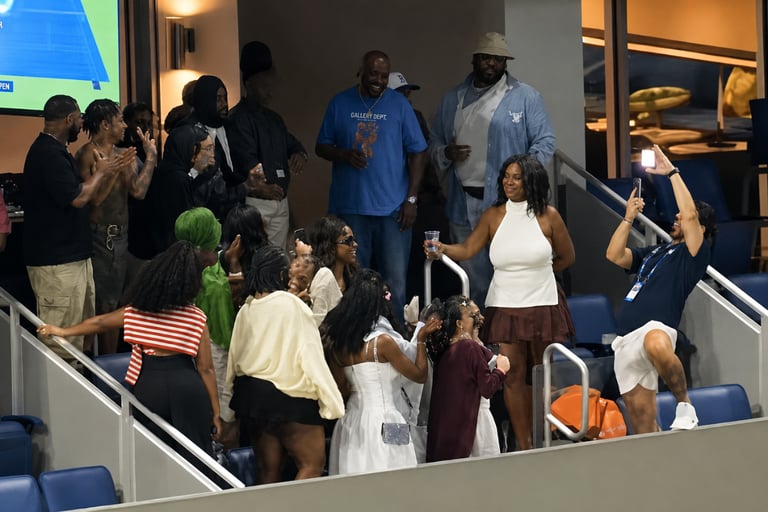


Influencers and creators surfaced at the US Open, with on-c‑ourt disruptions prompting the umpire’s intervention and drawing attention to fan etiquette and lighting use, alongside a broader debate about social media’s role in major sports events.
The piece frames a national conversation about how venues balance entertainment, accessibility, and competitive integrity as content creators gain prominence at traditional sports venues.
The USTA expanded media credentials for creators this year, issuing roughly 100 credentials versus 54 in 2025, signaling institutional embrace of influencer participation.
Late-night matches are driven by financial incentives, including night-session ticket sales and ESPN’s broadcast deal, which underpins keeping some events running into the early morning for premium viewership.
Wimbledon’s approach differs, with no guaranteed late-night sessions and an emphasis on finishing matches the same day, which reduces late finishes but limits scheduling flexibility.
There is discussion of potential calendar restructuring, including a Saudi-backed Masters 1000 event in 2028 and a broader plan dubbed 'Product 28' aimed at consolidating smaller tournaments to favor bigger events.
Efforts to protect player welfare include a Grand Slam Player Advisory Council and broader schedule reforms intended to mitigate the toll of extended calendars.
Official confirmation from Wimbledon on specific measures remains pending, with the 2027 schedule anticipated for announcement.
Across tours, Masters 1000 events have stretched to about 10 days, contributing to longer calendars that players say hinder recovery.
The broader industry context notes similar 10-day durations for Masters 1000 events, fueling concerns about season length and player rest.
Scheduling questions arise when matches finish past 2 a.m., raising concerns about athlete well-being and fairness without a fixed time clock.
Wimbledon has shown willingness to modernize, including adopting electronic line calling in 2025 as part of broader trend toward modernization.
Summary based on 82 sources