Chicago's Alarming Food Insecurity: One in Three Households Struggle Amid Economic Challenges
September 14, 2026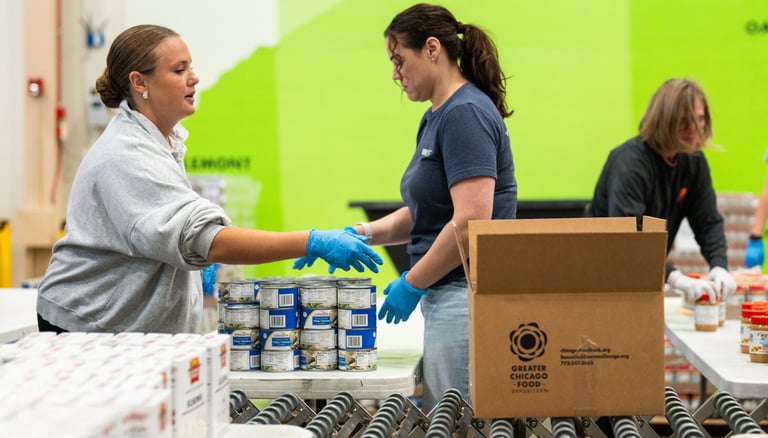

A 2026 NORC survey for the Greater Chicago Food Depository finds about 417,000 Chicago households, roughly one in three, facing some level of food insecurity as of mid-2026, with the South and West Sides hardest hit.
Geographically and demographically, food insecurity is most acute on the South Side, where 51% of residents have low or very low food security, and among Black residents, where 61% are affected; white households show 14% impacted.
Stark racial and neighborhood disparities persist: 61% of Black households and 44% of Hispanic households are food insecure, with 41% of South Side and 45% of West Side households affected.
Experts tie the situation to broader economic factors, including rising grocery prices from inflation and post-pandemic economic shifts, along with policy changes affecting SNAP participation and costs for states.
SNAP remains crucial but insufficient to close the gap; emergency food networks and pantries are strained, underscoring the need for systemic policy solutions beyond charity.
Advocates urge lawmakers to act to prevent generational impacts, stressing that hunger is not just a 2026 issue but a long-term challenge if unaddressed.
Pantry operators describe a widening, diverse client base—including students, workers across industries, and retirees—relying on food assistance as costs rise.
SNAP/food assistance cuts, alongside inflation and rising rents, intensify the crisis; estimates show 173,000 to 200,000 Illinois residents could be removed from SNAP starting mid-2026 due to federal policy changes, with potential effects on noncitizens.
Local initiatives aim to mitigate the impact, such as Illinois’s one-time $400 FRESH debit program and partnerships like the Statesman Market at Kennedy-King College to improve access for students and families.
Hunger is linked to broader economic instability, with more than half of food-insecure adults employed, many juggling food costs with housing, healthcare, and other essentials.
Charities report high demand (thousands on waitlists) and emphasize that solving food insecurity requires job creation and smarter resource allocation, not just monetary aid.
Child-focused findings show about 47% of households with children experience food insecurity, fueling calls for policy changes to protect kids’ access to nutritious meals and prevent long-term harm.
Summary based on 2 sources
Get a daily email with more US News stories
Sources

Chicago Sun-Times • Sep 14, 2026
New report finds 35% of Chicago households don’t have sufficient food - Chicago Sun-Times
Chicago Tribune • Sep 14, 2026
New report points to worsening hunger crisis in Chicago, with 1 in 3 families facing food insecurity