US Fast-Food Giants Expand in China Amidst Cultural Exchange and Market Risks
September 20, 2026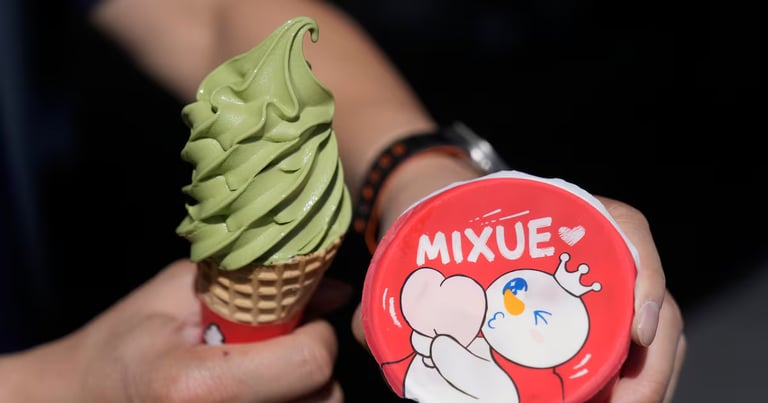

Across China, American brands such as Popeyes, Five Guys, McDonald’s, KFC, and Burger King are expanding rapidly with plans for thousands of new outlets, while Chinese tastes are being addressed through menu localization.
Experts describe this cross-border growth as soft power and cultural exchange, where brand presence and consumerism bridge the two nations despite broader political tensions.
However, Chinese brands’ push into the U.S. faces hurdles, including reliance on Chinese partnerships for store locations, shared risk, and questions about turning novelty into sustained loyalty amid regulatory and tariff concerns.
Analysts warn of opportunities and risks, such as price competition, potential tariffs, data-regulatory scrutiny, and the challenge of converting initial curiosity into lasting customer loyalty in new markets.
The piece spotlights price competition, brand positioning, and strategic partnerships as key levers shaping outcomes in both markets, with experts stressing adaptation to local tastes.
Quoted experts include Yaling Jiang and Shaun Rein, who frame cross-border growth as soft power and cultural exchange, while also noting risks from market volatility, brand localization, and geopolitical strains.
Observers emphasize social and cultural dynamics, such as the trend of Chinamaxxing—Westerners adopting Chinese lifestyle practices—that influence soft power and consumer behavior.
Common pitfalls for brands crossing borders include neglecting local regulations, copying menus without local adjustments, and misreading marketing cultures; successful entrants invest in local research and regional operators to tailor offerings.
The narrative underscores economic and competitive pressures in both markets, highlighting inland Chinese growth, real estate and consumer spending fluctuations, and the U.S. market’s profitability incentives for cross-border expansion.
Market dynamics are driven by cost, localization, and branding, with risks from tariffs, data concerns, and potential backlash against aggressive price competition.
Looking ahead, expect more fusion concepts, tech-enabled storefronts, self-service ordering, and digital payment, signaling a blurring of lines between local and international cuisine and broader implications for global commerce.
Overall, opportunities and risks accompany cross-border growth: strong brand appeal and growth potential exist, but regulatory scrutiny, data privacy, tariffs, and the need for local partnerships remain essential concerns.
Summary based on 11 sources
Get a daily email with more US News stories
Sources

AP News • Sep 20, 2026
Fast-food chains connect US and China despite countries' differences | AP News
ABC News • Sep 20, 2026
Fast food from the US and China catches on in both countries
The Boston Globe • Sep 20, 2026
Fast food from US, China catches on in both countries
Business Standard • Sep 20, 2026
Fast food from US, China catches on in both countries amid trade tensions