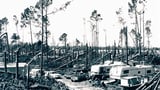
Hurricane Hugo Devastates Carolinas: 35 Dead, Billions in Damage, Thousands Displaced
September 22, 2026

A Category 4 Hurricane Hugo made landfall near Sullivan’s Island, South Carolina, around midnight on September 22, 1989, and moved inland toward North Carolina.
The Lowcountry endured an exceptionally powerful strike with hurricane-force winds and catastrophic flooding, with gusts up to 140 mph reported as Hugo swept through.
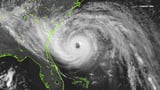
Meteorological records trace Hugo’s path from development off Africa in early September, rapid intensification to Category 5 by mid-September, impact on the Leeward Islands and Puerto Rico as a Category 4, a brief weakening, then restrengthening before landfall, with hurricane-force winds persisting inland toward Charlotte.
Personal accounts describe the scale of destruction, from homes ripped from foundations to piers in shambles, highlighting the uneven damage and mass displacement.
Coastal North Carolina suffered damage to homes, beaches, and fishing piers in Brunswick and New Hanover counties, while eastern North Carolina saw comparatively less severe impacts.
A meteorology-focused segment from Spectrum News North Carolina provided weather data and links to blogs and social media for updates.
The storm brought heavy rainfall and flash flooding to the northern mountains of North Carolina, with Mount Mitchell recording more than eight inches.
Hugo destroyed thousands of homes, toppled trees, and left thousands without power across the region.
The statewide toll included 35 deaths, about 79,000 homes damaged or destroyed, 80% of South Carolina without power, 4.5 million acres of timber destroyed, and regional damage estimated between $7 and $10 billion.
North Carolina records attributed seven to twelve deaths to Hugo, including a six‑month‑old in Union County who died when a tree fell on a home.
Coastal infrastructure suffered heavy damage: Myrtle Beach piers damaged or destroyed, water and sand deposits on Ocean Boulevard, and peak winds across the region with Charleston at 108 mph and Myrtle Beach around 76–86 mph.
Hugo produced a 16-foot storm surge in McClellanville, flooding a shelter high school with seawater and trapping hundreds of people.
Summary based on 4 sources
Get a daily email with more US News stories
Sources

Spectrum News 1 Central NC • Sep 22, 2026
Remembering Hugo: 37 years ago
WMBF • Sep 22, 2026
Remembering Hugo: 37 years since historic hurricane reshaped the Carolinas