Medical Aid in Dying Gains Momentum as New York and Illinois Join Growing Trend, Sparking Divisive Debate
September 23, 2026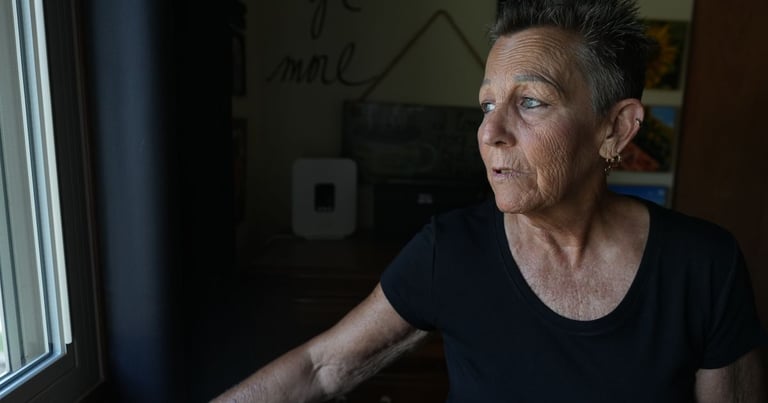

The debate over medical aid in dying centers on respecting patient autonomy and relief from unbearable suffering, with advocates highlighting dignity and personal testimonies, while opponents warn of potential coercion, the sanctity of life, and abuse despite safeguards.
New York and Illinois joined Oregon and other states in expanding access to medical aid in dying, with Illinois’s law named Deb’s law in honor of Deb Robertson, signaling a momentum shift in major population centers.
Religious leaders, including Chicago’s Cardinal Cupich and Springfield’s Bishop Paprocki, pursued legal challenges to the law but did not block its enactment, though some Catholic groups temporarily blocked enforcement for certain entities.
About one-third of Americans live in states where medical aid in dying is legal, reflecting a nationwide trend that is accelerating but remains deeply divisive.
Public opinion remains divided along faith and political lines, with ongoing stigma and misinformation shaping views on whether MAID is morally acceptable.
Opposition remains strong among religious groups, disability advocates, and some lawmakers, who raise concerns about coercion, informed consent, and moral objections, even as safeguards are put in place.
Catholic and other religious authorities filed lawsuits and sought protections for religious providers, illustrating the ongoing legal and moral battles surrounding MAID.
Illinois’s Deb’s law was shaped by Deb Robertson’s advocacy and personal narrative, eliciting both strong support for patient autonomy and disappointment from religious figures, including statements from the papacy in reference materials.
Reporting includes voices from terminally ill patients, faith leaders, legal experts, and advocates on all sides to illustrate the issue’s complexity and contested nature.
Debates include terminology debates (assisted dying vs. suicide) and calls to address stigma to ensure patients understand and access appropriate care.
Proponents frame MAID as a matter of patient choice and dignity, with testimonies from families and healthcare workers illustrating the law’s impact.
Key advocates and voices—such as Deb Robertson’s testimony, Nilsa Centeno and her son, and interfaith chaplain Robert Drake—represent diverse perspectives on end-of-life autonomy.
Summary based on 3 sources
Get a daily email with more US News stories
Sources

WRAL • Sep 23, 2026
Takeaways from AP's report on expanded medical aid-in-dying laws
Newsday • Sep 23, 2026
Takeaways from AP's report on expanded medical aid-in-dying laws
myMotherLode.com - The Mother Lode's Local News, Sports, Weather, Movies, Classifieds, Yellow Pages, Real Estate • Sep 23, 2026
Takeaways from AP’s report on expanded medical aid-in-dying laws - myMotherLode.com