Ballot Measures on Transgender Rights and LGBTQ+ Issues Ignite National Debate
October 5, 2026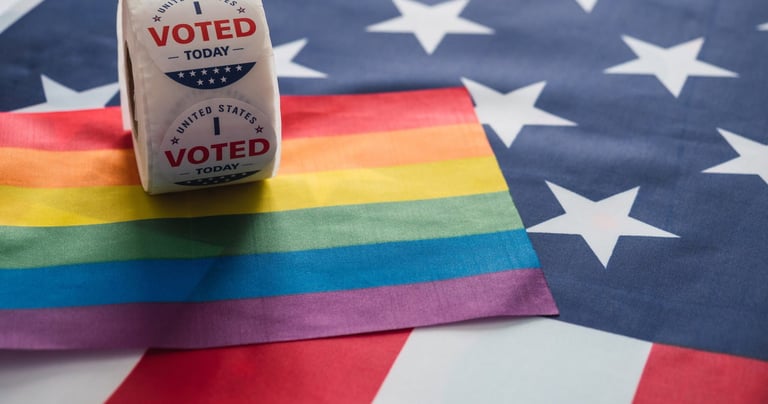

Anti-trans sports bans would tie team participation to birth sex, potentially via birth certificates or invasive exams, raising privacy concerns for intersex students and inviting legal challenges.
Colorado Proposition 134 would separate sex-specific and co-ed sports and bar athletes whose participation doesn’t align with birth sex, prompting worries about invasive inspections and reducing girls’ sports opportunities.
Arizona Proposition 318 would require birth-certificates-based sex designation for sports and restrict restroom and locker room access accordingly, with broad interpretations and legal concerns.
The debate sits within a wider national fight over LGBTQ+ rights amid a charged political climate, featuring voices from advocates and officials on both sides.
Eight LGBTQ+-related ballot measures will be decided in six states this November, including four anti-trans sports bans in Colorado, Arizona, Nebraska and Washington.
Virginia’s Question 2 would overturn a state same-sex marriage ban and recognize marriage rights regardless of sex, gender, or race.
Advocates say anti-LGBTQ+ measures mobilize opposed bases and distract from issues, while supporters frame them as protecting children and single-sex spaces.
Washington Initiative IL26-001 would repeal parental-rights protections to broaden access to confidential student records, including discussions of sexual orientation and gender identity, raising safety and privacy concerns for LGBTQ+ students.
Colorado Proposition 135 and Missouri Amendment 3 seek to restrict gender-affirming care for minors, with wide-ranging implications for medical judgment and access.
A Washington measure could compel outing of LGBTQ+ students to parents, adding to safety and privacy worries.
Nebraska Measure 442 would constitutionally require teams to match students’ sex at birth across public, private, and higher education sports, with potential court challenges.
Summary based on 1 source
Get a daily email with more US News stories
Source

LGBTQ Nation • Oct 5, 2026
LGBTQ+ rights are on the ballot in 8 states this year. Here's what you need to know. - LGBTQ Nation