AIPAC Shifts Strategy: Ends Endorsements and Direct PAC Contributions, Focuses on Individual Donors
October 21, 2026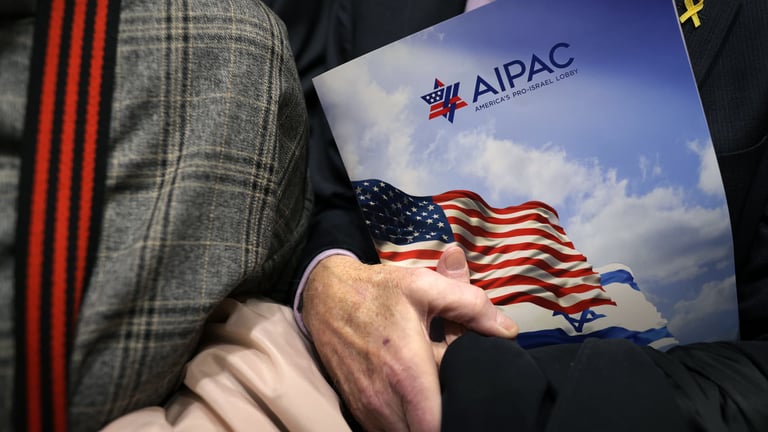

AIPAC announced it will stop issuing endorsements, making direct PAC contributions, or earmarking funds for candidates, signaling a strategic pivot toward a more nimble operation focused on individual contributions.
The move is described as a shift from endorsements and earmarked giving to mobilizing individual donors and relying on unearmarked donations and independent expenditures through UDP.
AIPAC will no longer endorse candidates or make direct candidate PAC contributions after several cycles of giving, according to reporting from Jewish Insider and CNBC.
The future role of United Democracy Project remains unclear, even as some independent expenditures targeted Abdul El-Sayed in Michigan and supported his opponent, Rep. Haley Stevens, in related races.
The organization aims to back candidates who align with its mission, prioritizing those who strengthen the U.S.–Israel alliance and oppose anti-Israel legislation, including for the 2028 cycle.
AIPAC describes 2026 as a challenging political environment and expects ongoing challenges in the near term.
In a related example, Oklahoma Democratic primary candidate N’Kiyla Jasmine Thomas ran on anti-AIPAC messaging and defeated Jim Priest.
UDP will continue as AIPAC’s super PAC, with an emphasis on mobilizing individual donors to give directly to candidates.
In the current cycle, AIPAC has deployed about $105.1 million through its traditional PAC and UDP, with UDP reporting $53.4 million in independent expenditures through September.
Through September 30, 2026, AIPAC contributed nearly $25 million to candidates and committees, while UDP contributed $13 million and spent about $53.5 million on independent expenditures.
The shift follows a year of debate over AIPAC’s role and influence amid controversy over Israel policy and Gaza-related issues.
The change was disclosed to AIPAC members in a letter and was reported by Jewish Insider, with CNBC confirming details.
Summary based on 4 sources
Get a daily email with more US News stories
Sources



The Jerusalem Post • Oct 22, 2026
AIPAC to stop officially endorsing US political candidates following criticism
Denver Gazette • Oct 21, 2026
AIPAC ends endorsements and PAC contributions: Report