Boomers Push to Slash Property Taxes, Sparking Debate on Public Service Funding
October 25, 2026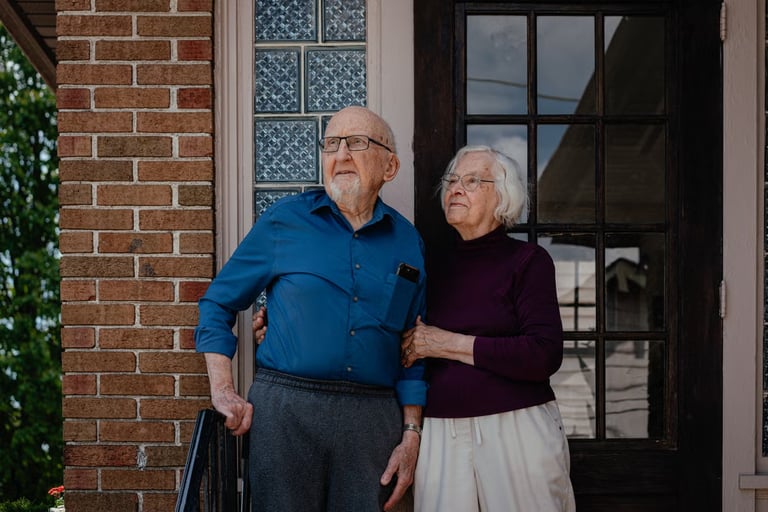

Boomers argue they should not owe ongoing taxes on fully owned homes, while supporters warn eliminating property taxes could jeopardize funding for essential services and require alternative revenue sources.
The median U.S. property tax bill is about $3,209 per year, with state variation from $629 in West Virginia to $8,638 in New Jersey.
A 92-year-old Pennsylvania woman’s six-year struggle with unpaid property taxes ended in eviction and death, underscoring the personal toll of tax liens on seniors.
Property taxes have deep historical roots dating to the 19th century and remain a major local revenue source, even as public sentiment declines as home values rise.
Policy proposals and political support for reducing or capping property taxes include Florida Governor DeSantis’s efforts, with endorsements from figures like Greg Abbott and Nancy Mace.
There are concerns about Social Security’s long-term stability and potential impacts on retirees’ fixed incomes if property taxes are altered or eliminated.
There are middle-ground approaches, such as New York’s Enhanced STAR exemption for seniors, Michigan’s tax deferral options, and Florida’s homestead exemption, aiming to balance relief with funding needs.
Property taxes fund essential local government functions—schools, police, fire, parks, and road repair—and many homeowners pay through mortgage companies, with rising home values driving higher bills.
A growing movement among baby boomers (ages 62-80) seeks to eliminate or reduce property taxes on paid-off homes, viewing property taxes as rent for ownership.
Opponents emphasize that property taxes support public safety and community services critical for schools, police, fire departments, and other municipal needs.
Summary based on 1 source
Get a daily email with more US News stories
Source

The Independent • Oct 25, 2026
How property taxes became the new battleground for boomers