Midterm Elections Poised to Transform Higher Education Policies and Funding Nationwide
November 2, 2026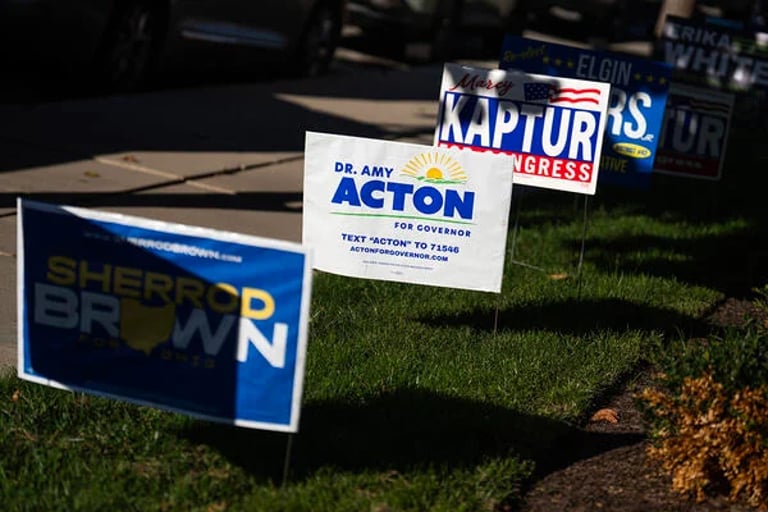

The midterm elections could greatly reshape higher education policy at both federal and state levels, affecting funding, student aid, governance, and oversight of federal programs.
Many states expect higher-ed ballot measures addressing funding for construction and renovations, DEI policies, and research initiatives, with notable examples in Arizona (diversity statements ban), California (Prop 38 for immunology/immunotherapy funding), Colorado (transgender athlete participation), Nebraska (transgender athlete sports participation ban), New Mexico (bonding for capital projects and governance reforms), and Rhode Island (facility construction and library renovations).
State-level dynamics, including gubernatorial and legislative control, will shape university budgets and board appointments, with trends showing fluctuating appropriations and potential mass layoffs at some institutions.
If Democrats gain control of Congress, they may seek to constrain the Trump administration’s higher-ed reforms, scrutinize Department of Education grant-making, and potentially expand Pell Grants or adjust student loan policies, though a presidential veto could limit changes in a divided government.
Experts say election outcomes will determine college costs, financial aid availability, and resources for programs and student services, making off-cycle state races and ballot questions crucial for long-term higher-ed policy.
Summary based on 1 source
Get a daily email with more US News stories
Source

Inside Higher Ed | Higher Education News, Events and Jobs • Nov 2, 2026
What’s at Stake for Higher Ed in the Midterms