Supreme Court Clears Way for Border Wall Construction in Big Bend—For Now
November 9, 2026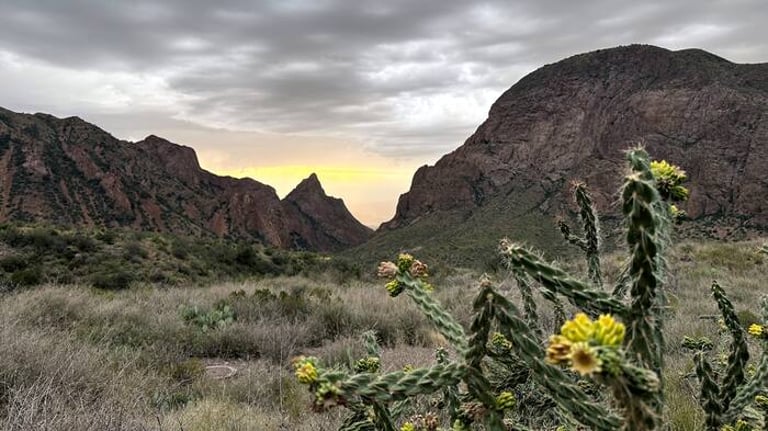

Construction began in August on public lands near Santa Elena Canyon, but work was paused amid protests and bipartisan criticism before the pause ended on Sept. 30.
The administration says more than 89,000 people were apprehended attempting to cross illegally in the Big Bend sector from 2021 through 2025 and warns that a gap in defenses could aid trafficking; challengers counter that the sector accounts for a small share of border apprehensions and drug seizures.
The $1.7 billion Department of Homeland Security project includes vehicle barriers, patrol roads, lighting and surveillance and detection systems across Big Bend National Park, Big Bend Ranch State Park and surrounding areas.
The Supreme Court temporarily cleared the way for construction to resume along a roughly 300-mile stretch of the Texas border that includes the Big Bend region, putting a lower-court injunction on hold without deciding whether the project is lawful.
The stay remains in effect while the government seeks Supreme Court review; it will expire if the Court declines the case, but continue through a final judgment if the Court accepts it.
The dispute stems from three waivers issued in February, May and July that exempted the project from environmental and conservation laws; U.S. District Judge Kathleen Cardone ruled on Oct. 2 that Kristi Noem lacked authority to issue them and barred construction after declining to pause her decision.
The Supreme Court majority said the administration was “exceedingly likely to prevail” on its argument that the lower court lacked jurisdiction, because the statute allows review of constitutional claims but not nonconstitutional challenges based on the Major Questions Doctrine.
The majority also said Congress expressly authorized the Homeland Security secretary to waive environmental and conservation laws and that courts could not override the balance Congress struck in favor of expedited border construction.
In granting the stay, the majority concluded the government’s interests outweighed the environmental, recreational and aesthetic harms alleged by challengers, and cited nearly $500,000 in unrecoverable costs for each day construction remained blocked.
Justice Ketanji Brown Jackson was the sole noted dissenter; she indicated she would have denied the request but gave no written explanation.
The Center for Biological Diversity and other challengers argue the waivers exceed the government’s authority and that the region’s historically low crossing numbers do not justify them; they warn construction could irreversibly damage desert ecosystems, historic sites and the river corridor.
Opposition spans local residents, ranchers, law enforcement and lawmakers from both parties, who say the barriers could harm the region’s landscape, economy and way of life and argue surveillance technology, staffing and cooperation offer better alternatives.
Summary based on 43 sources
Get a daily email with more US News stories
Sources
The Guardian • Nov 9, 2026
US supreme court clears way for Trump’s border wall in Texas’s Big Bend

The Washington Post • Nov 9, 2026
Supreme Court allows major part of Trump’s border security project in Texas