Iran War Backlash Fuels Democratic Gains, Puts Trump’s Foreign Policy Under Pressure
November 11, 2026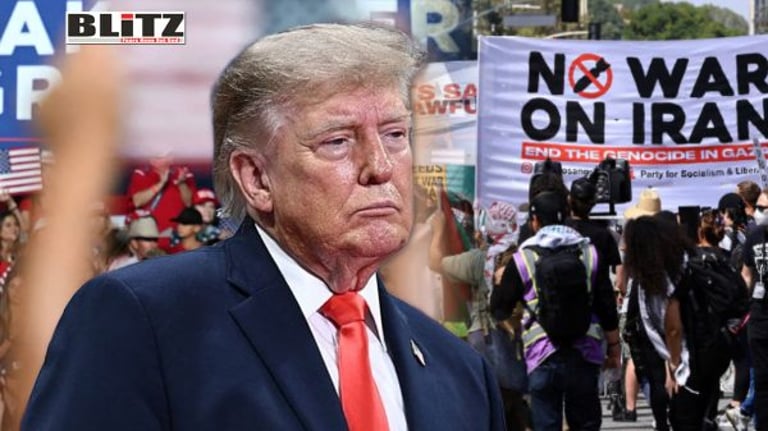

Democrats’ gains in the 2026 midterms handed Donald Trump and Republicans a major setback, with the Iran war emerging as a central factor in voters’ rejection of the administration’s direction.
NBC exit polling found that 74% of voters viewed the war as a crucial or major factor in their congressional vote, while 63% said the United States was wrong to take military action against Iran.
As Republican losses became clear, JD Vance blamed the Iran war, higher prices and their economic fallout, saying some 2024 Trump voters had switched to Democrats and that the administration had abandoned its “America First” agenda.
The conflict has disrupted oil markets, trade routes, investment, tourism and employment, raising living costs in the United States and affecting economies worldwide.
Democrats’ congressional gains could bring substantial scrutiny of Trump’s foreign policy, even though presidents typically lead on international affairs.
Sen. Chris Coons, who is set to chair the Senate Foreign Relations Committee and the appropriations subcommittee for military and national security, has outlined ways Democrats could influence policy before 2027.
Democrats and some Republicans have repeatedly pursued war-powers resolutions to halt the fighting unless Trump seeks congressional authorization, after the administration launched the war with Israel on February 28 without first obtaining Congress’ approval.
The administration ignored an earlier resolution that passed both chambers, though legal experts disagree on whether it was binding; Trump is expected to veto future measures, and overriding a veto would require two-thirds majorities in both chambers.
Democrats could also tie defense funding to ending the Iran campaign, but any restriction would need to be included in legislation Trump signs or legislation whose failure voters blame on him; with a Dec. 11 funding deadline approaching, Democrats are divided over risking a shutdown.
Trump faces a choice between accepting an imperfect agreement that could reopen shipping lanes and claiming victory, or renewing strikes to force concessions, while Iran may try to wait out his time in office.
A quick diplomatic win could still weaken U.S. influence if it comes at the cost of alliances and lasting commitments, as adversaries wait for Trump’s term to end and allies hedge against Washington.
Trump retains the power to start wars and reshape U.S. relationships, but shrinking political capital and limited time may encourage riskier decisions whose consequences could last beyond his presidency.
Summary based on 22 sources
Get a daily email with more US News stories
Sources

The Guardian • Nov 12, 2026
Trump ran on a platform of peace. His war may have cost Republicans the midterms
Chicago Tribune • Nov 10, 2026
Daniel DePetris: What a Democratic Congress means for Iran, Israel and Ukraine
The Sydney Morning Herald • Nov 6, 2026
Lone wolf: Trump is capable of anything after being embarrassed
The Jerusalem Post • Nov 12, 2026
How could the new US Congress bring about an end to the war with Iran? - explainer