Companies Pocket Tariff Refunds—and Some Are Using the Windfall for Bonuses
November 16, 2026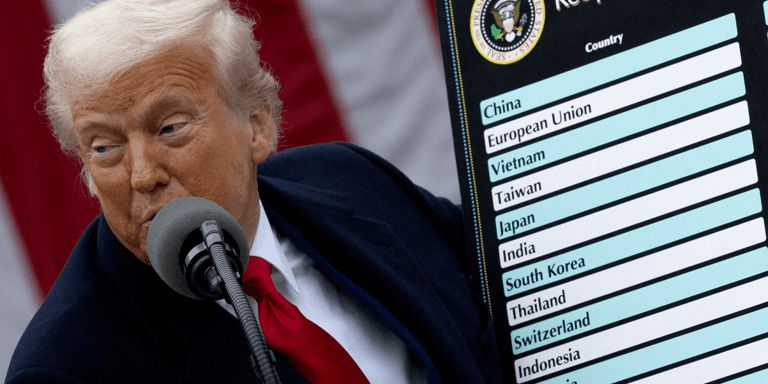

The Trump administration has refunded at least $100 billion to companies since August, after the Supreme Court ruled that the tariffs exceeded executive authority and required congressional approval.
Yet the administration has not publicly disclosed which companies are receiving roughly $170 billion in refunds or how much they have claimed, and it denied ProPublica’s requests for that information.
Companies became eligible to seek refunds for duties they had already paid, but only importers of record can apply—even though consumers and downstream businesses often bore some of the costs through higher prices.
A ProPublica review of filings and earnings calls found that at least nine publicly traded companies plan to use some tariff-refund money for bonuses rather than repay consumers; many others said the refunds could count toward incentive compensation.
Stanley Black & Decker, which repeatedly raised prices citing tariffs, expects at least $298 million in refunds and disclosed that some of the gain was offset by variable incentive compensation; a customer lawsuit argues the company could recover costs from both consumers and the government.
Other companies disclosing bonus-related spending include Acushnet, which reported about $12 million in incentive compensation expense, and TJX, which reported $112 million in year-end incentive compensation and discretionary bonuses after receiving $331 million in refunds.
Burlington Stores took a different approach, saying it would use its $55 million refund for sharper shopper discounts rather than a one-time earnings boost, with none of the money going to bonuses.
ProPublica found that companies pledging customer refunds mostly sell to other businesses, not individual consumers; some business-to-business vendors and shipping companies can reimburse customers when tariff charges are itemized.
Lawsuits are seeking to compel consumer-facing companies, including Walmart, Target, Nike and Lululemon, to share refunds, though analysts have questioned whether the claims will succeed.
Studies cited in the article estimate that consumers absorbed between 26% and 43% of tariff costs, with estimates putting the burden on a typical household at about $900 to $1,000.
Experts differ on whether executive bonuses are justified: Gregory Germain, a corporate law professor at Syracuse University, called them unfair because executives did not cause the refunds, while an accounting professor said companies could argue leaders had already been penalized by tariff-related losses; companies generally are not required to refund customers or cut prices.
The dispute comes amid wider frustration over tariffs and inflation: a Pew survey found 63% of Americans had little or no confidence in Trump’s handling of tariffs, and an Associated Press survey found two-thirds of midterm voters said his decisions had fueled inflation.
Summary based on 3 sources
Get a daily email with more US News stories
Sources

The Guardian • Nov 16, 2026
Several companies are using Trump tariff refunds for corporate bonuses
Slashdot • Nov 16, 2026
Corporations Are Using Trump's Tariff Refunds On Bonuses Rather Than Reimbursing - Slashdot
Alternet.org • Nov 16, 2026
Corporations are pocketing your Trump tariff refunds for executive bonuses