Social Security’s $46 Trillion Dilemma: Why Reform Is Becoming Unavoidable
November 19, 2026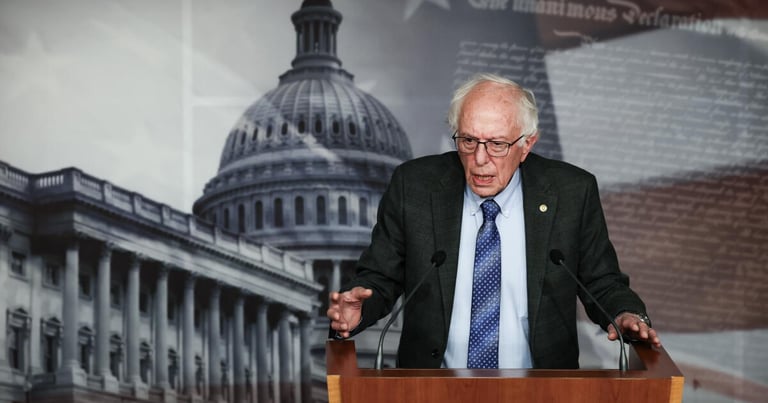

Social Security’s financing gap is growing as the population ages, and Veronique de Rugy argues that persistent shortfalls make reform unavoidable; the program borrowed about $300 billion in 2026, including interest.
The pressure reflects starting benefits that have grown faster than inflation, longer retirements and a shrinking worker-to-beneficiary ratio, which has fallen from 5.1 in 1960 to 2.6 today.
The Old Age and Survivors Insurance Trust Fund is projected to run out in late 2032, after which benefits would be limited to incoming payroll-tax revenue—an estimated immediate cut of 22%.
De Rugy cautions that trust-fund bonds are legal claims on the Treasury, not savings set aside to pay benefits; redeeming them requires the government to raise taxes, cut other spending or borrow.
Since 2010, Social Security shortfalls and related interest have added $1.6 trillion to U.S. national debt, with another $3.4 trillion in borrowing projected by 2032.
A proposal associated with Bernie Sanders would raise annual benefits by $2,400, extend the 12.4% payroll tax to wages above $250,000 and increase taxes on investment income for high earners, but a cited estimate says it would close no more than half the long-term shortfall.
De Rugy warns that the proposed tax increases could push top marginal wage-tax rates above 60% in New York and California, discouraging work and income changes and hurting economic growth as well as state and local revenues.
A Penn Wharton Budget Model comparison cited in the article finds that a higher-tax-only approach would reduce debt by about 14% of GDP by 2060, while slowing benefit growth and raising the retirement age to 70 over 17 years would reduce it by 29%.
The same analysis projects an economy 12% larger in 2060 under benefit restraint, versus 0.4% larger under the tax package; De Rugy favors slowing benefit growth for those least in need, protecting poor retirees with a flat benefit and tying the retirement age to life expectancy.
A December 2025 poll found that 70% of respondents expected benefit cuts, while 77% opposed cuts and the same share opposed paying an additional $1,300 annually in payroll taxes; the article estimates that leaving benefits and taxes unchanged would add about $46 trillion to debt over 30 years.
Summary based on 1 source
Get a daily email with more US News stories
Source

Los Angeles Times • Nov 19, 2026
Contributor: Here come the Social Security proposals — choose wisely - Los Angeles Times