Food Insecurity Rises in Central Florida as SNAP Cuts and Costs Deepen Hunger
November 22, 2026

Central Florida food banks and meal sites are seeing growing demand as economic pressures and policy changes threaten to push more people into hunger.
Feeding America’s Map the Meal Gap 2026 report estimates that 649,820 people in the seven counties served by Second Harvest Food Bank of Central Florida struggle to afford nutritious food, including 178,020 children—about one in five; the estimate is based on 2024 data and may understate current need.
The editorial points to rising housing and transportation costs, stagnant wages and food prices that climbed 2.5% from September 2025 to September 2026 as key pressures behind food insecurity.
It also criticizes Congress for tightening SNAP eligibility with new work and documentation rules and restrictions affecting legal immigrants; the Center for Budget and Policy Priorities estimates 5.5 million people nationwide lost benefits, while Florida enrollment fell 22%, or more than 620,000 recipients.
A federal shift of SNAP costs to states is set to begin next year, and Florida could become responsible for as much as 15% of benefit costs starting in October 2027, an estimated $900 million strain on the state budget.
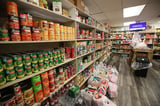
Second Harvest supports about 800 organizations across seven counties, but its costs—including diesel for 29 trucks and purchased food—are rising; its vice president of public policy, Stephanie Palacios, says food banks cannot replace SNAP, which provides nine meals for every meal they supply.
Meanwhile, local nonprofits are helping residents through food banks and other programs.
Herald-Tribune staff writer Saundra Amrhein’s Dec. 6 cover story will examine how federal SNAP cuts are affecting Floridians, with a focus on Rosa Ramirez of LaBelle.
Amrhein said she pursued the story after reporting on housing challenges and hearing about food insecurity as grocery prices rose and residents lost benefits or struggled to access SNAP.
She hopes readers see how rising costs and food insecurity compound hardships such as unexpected medical emergencies; some Sarasota-area interviewees said they eat only one meal a day or less.
Advocates hope Florida legislators will investigate the sharp decline in SNAP caseloads, while others are watching whether midterm election results affect the factors driving grocery prices higher.
The editorial urges the new Congress and incoming Gov. Byron Donalds to prioritize hunger relief, calls on residents to donate and press officials, and argues that access to adequate food should be treated as a solvable public responsibility.
Summary based on 2 sources
Get a daily email with more US News stories
Sources
Orlando Sentinel • Nov 22, 2026
Editorial: Fighting hunger should be a priority
Sarasota Herald-Tribune • Nov 22, 2026
Behind our story: Saundra Amrhein on Florida's growing hunger crisis