Democrats Make Abortion-Rights Gains, but State Bans and Federal Barriers Remain
November 24, 2026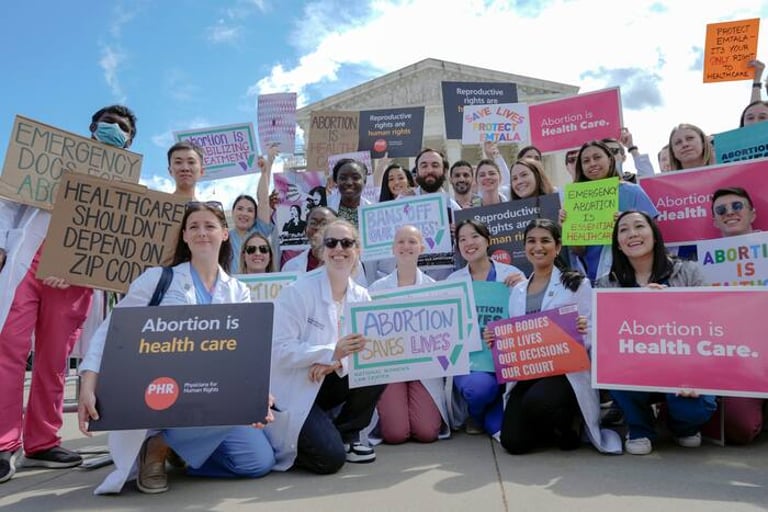

Democrats who campaigned on abortion rights made gains in congressional and state races, but sweeping changes remain unlikely: Republicans kept control of key state senates, and President Donald Trump could veto federal legislation.
Since the Supreme Court overturned Roe v. Wade in 2022, abortion policy has largely been set by states; 13 states ban abortion throughout pregnancy, with exceptions, and four more prohibit it at about six weeks.
Some congressional Democrats plan to propose barring states from restricting abortion before viability and reversing requirements such as multiple doctor visits or ultrasounds; the effort may also highlight that about six in 10 surveyed U.S. voters support legal abortion in all or most cases.
In Texas, Democrats have proposed everything from full repeal to narrower exceptions, but acknowledge repeal is unlikely to pass the Republican-held Senate and may pursue negotiated changes instead.
Texas doctors say uncertainty persists despite a 2025 law clarifying emergency care, particularly around fatal fetal anomalies and pregnancies resulting from rape or incest; a University of Houston survey found broad support for legal abortion in both circumstances.
Texas’s private-enforcement laws constrain state officials: SB 8 allows citizens to sue those who perform or assist with abortions, while HB 7 authorizes suits against people who make abortion pills available to Texans, though such cases have been relatively uncommon.
Incoming Texas Attorney General Nathan Johnson said he would stop pursuing Ken Paxton’s lawsuits against out-of-state doctors who prescribe abortion pills to Texans by telehealth; he has not said whether he will drop existing cases and could withdraw Texas from a federal mifepristone lawsuit or decline to defend state restrictions.
Telehealth abortion-pill use in Texas rose from 12,400 patients in 2023 to more than 42,000 in 2025, and telehealth accounted for 97% to 100% of abortions in states with the strictest laws last year, according to cited research.
Texas Governor-elect Gina Hinojosa cannot repeal the ban on her own, but appointments to the Health and Human Services Commission and Texas Medical Board could influence funding and guidance on when doctors may legally end a pregnancy; Lieutenant Governor-elect Vikki Goodwin has also called for undoing the near-ban.
In Georgia, Democrats won the state House and governor’s office, but Republicans retained a 29-27 Senate majority; incoming Lieutenant Governor Josh McLaurin hopes to find Republican support to repeal the ban, while Gov.-elect Keisha Lance Bottoms has cautioned that action may not be possible in the coming session.
Georgia Republicans remain opposed to repeal and narrower changes, according to State Senator Drew Echols, even as 59% of Georgia residents say abortion should be legal in all or most cases.
Anti-abortion groups are urging the Trump administration to restrict access to mifepristone by mail or through pharmacies, while Ohio lawmakers have passed bills limiting telehealth prescriptions and restoring a waiting period; whether the bills will take effect remains uncertain.
Summary based on 8 sources
Get a daily email with more US News stories
Sources

AP News • Nov 24, 2026
Abortion bans aren't likely to crumble fast after Democrats' big wins | AP News
Newsweek • Nov 24, 2026
How Democrats Could Weaken Laws Against Abortion in Former GOP Strongholds - Newsweek
The Philadelphia Inquirer • Nov 24, 2026
Democrats supporting abortion rights won big in the midterms, but vast changes are unlikely soon