Proposed 2030 Census Changes Could Undercount Communities and Weaken Their Political Voice
November 25, 2026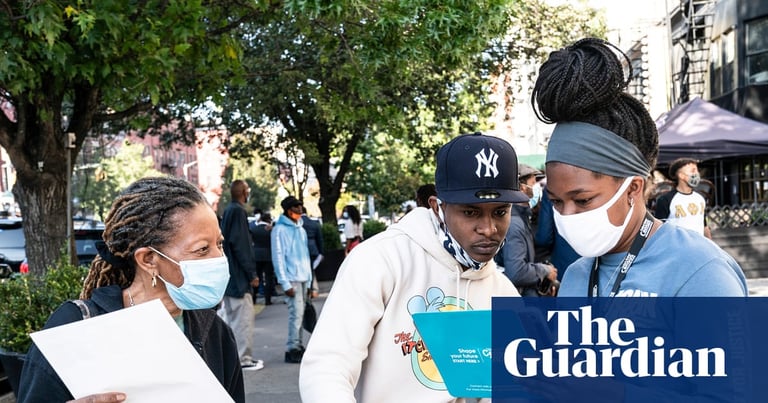

The Census Bureau is weighing changes to the 2030 census that would remove the race and ethnicity question, add a citizenship question and formally bar questions about sexual orientation; the bureau says the proposals would uphold the Constitution, protect core census data and improve efficiency.
The public comment period closed on 2 November, and researchers and civil rights groups are urging people to contact their representatives and oppose the proposals.
Civil rights advocates warn that the changes could discourage people from responding and distort census counts, with consequences for political representation and decisions on education, infrastructure, health and other services.
In particular, advocates say a citizenship question could frighten undocumented people and their families into not responding, leaving communities with large undocumented populations severely underrepresented; John C Yang called the proposals unconstitutional.
Census data guides congressional apportionment and redistricting, supports research on health and social outcomes, and helps enforce civil rights laws and measure disparities.
Researchers also warn that losing race and ethnicity data would undermine population-health studies of how communities shape health and access to care.
The stakes are underscored by the 2020 census, which undercounted children under 18 by an estimated 2.1% and children under five by 5.4%; the Post-Enumeration Survey found six states were undercounted and eight were overcounted.
The debate echoes the nation’s history of manipulating representation: the three-fifths compromise counted enslaved Black people as three-fifths of a person, and Mitchell D Brown argues that removing demographic measures today could weaken the political influence of Black and brown communities.
Summary based on 1 source
Get a daily email with more US News stories
Source

The Guardian • Nov 25, 2026
The census provides a critical snapshot of the US. Proposed changes could affect who is counted in 2030